By Vipul Sharma, Advocate
Drug abuse among youth is not just a personal issue but a societal challenge that requires a combined effort from families, schools, law enforcement, and the government. In recent years, Jammu and Kashmir has witnessed a worrying rise in substance abuse, particularly among the younger generation. Strict legal measures, along with education, awareness, and rehabilitation, are essential to combat this menace. Empowering youth with knowledge, purpose, and life skills can prevent them from falling prey to addiction and help them contribute positively to society.
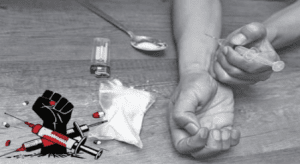
Drug abuse among youth is a growing social and public health problem worldwide. Adolescence is a critical period of physical, emotional, and psychological development, and exposure to drugs during this stage can have devastating consequences. In regions like Jammu and Kashmir, where unemployment, stress, and exposure to cross-border smuggling networks have added complexity to the issue, understanding the impact of drugs and the legal measures to control them is essential to protect young people and build a healthier society.
1. Impact of Drugs on Youth
a) Physical Impact
- Drug use can severely affect the body’s organs such as the heart, liver, lungs, and brain.
- Adolescents who use drugs are at risk of impaired brain development, memory loss, and poor coordination.
- Sharing needles or engaging in unsafe practices can lead to infectious diseases like HIV/AIDS or hepatitis, cases of which have been increasingly reported in rehabilitation centers in the Kashmir Valley.
b) Mental and Emotional Impact
- Drugs alter brain chemistry, often leading to depression, anxiety, aggression, and even suicidal thoughts.
- Continued use may result in dependency and addiction, making it difficult for young people to function normally without drugs.
- Poor emotional control and judgment lead to impulsive and risky behavior, often worsening existing mental health issues—a matter of growing concern among youth in urban centers like Srinagar and Jammu.
c) Academic and Social Impact
- Drug use often results in poor academic performance, absenteeism, and increased dropout rates.
- Youths may become socially withdrawn or start associating with criminal groups, leading to social isolation and loss of moral values.
- Family relationships also deteriorate, causing stress and conflict at home.
- In Jammu and Kashmir, the breakdown of traditional family structures and peer pressure has contributed to rising numbers of school and college students seeking rehabilitation services.
d) Economic and Societal Impact
- Drug addiction drains family resources and increases healthcare and law enforcement costs.
- It can contribute to crimes like theft, assault, or trafficking, creating insecurity within communities.
- In border districts such as Kupwara, Baramulla, and Poonch, the easy availability of heroin and other narcotics smuggled from across the border has worsened the situation, posing both social and security threats.
2. Legal Remedies and Government Measures
Governments across the world, including India and other nations, have established strict laws to control drug production, distribution, and abuse. In Jammu and Kashmir, law enforcement agencies have intensified efforts under national laws while local authorities and NGOs are expanding awareness and de-addiction initiatives.
a) Key Laws in India
- The Narcotic Drugs and Psychotropic Substances (NDPS) Act, 1985
- Prohibits the production, possession, sale, purchase, transport, and consumption of narcotic and psychotropic substances except for medical or scientific purposes.
- Punishments range from fines to rigorous imprisonment depending on the quantity and type of drug involved.
- In J&K, strict enforcement under the NDPS Act has led to major crackdowns on drug peddlers and cross-border trafficking networks.
- Juvenile Justice (Care and Protection of Children) Act, 2015
- Focuses on the rehabilitation and reformation of children involved in drug-related offenses rather than strict punishment.
- Several youth in the Union Territory have benefited from counseling and de-addiction programs run under this framework.
- National Policy on Narcotic Drugs and Psychotropic Substances (2012)
- Aims to balance drug control with the availability of medicines for legitimate use.
- Promotes awareness campaigns and rehabilitation programs.
- In Jammu and Kashmir, this policy is supplemented by district-level initiatives and the establishment of drug de-addiction centers in Srinagar, Baramulla, Anantnag, and Jammu.
3. Way Forward for Jammu and Kashmir
- Community Involvement:Religious leaders, educators, and civil society must actively participate in spreading awareness about the dangers of drug abuse.
- Skill Development and Employment:Providing avenues for skill training and meaningful employment can reduce frustration and hopelessness among youth.
- Strengthening Rehabilitation Infrastructure:More government-funded and community-supported de-addiction centers are needed in both urban and rural areas.
- Cross-border Vigilance:Strengthening border security and intelligence networks is crucial to curb the inflow of narcotics into the region.
Drug abuse among youth is not just a legal or health issue but a deep-rooted social challenge that demands empathy, coordination, and sustained action. In Jammu and Kashmir, the issue has social, economic, and security dimensions, making collective responsibility all the more important. By promoting awareness, implementing strict laws, and providing avenues for rehabilitation and employment, the region can protect its youth and ensure a healthier, more prosperous future.
(The writer is an Advocate and Legal Advisor to Movement Kalki)