
By Surinder Koul
A vivid sensory experience with piercing winds and plummeting temperatures, encountered by a septuagenarian Kashmiri couple who were stuck for four hours in an airplane in Des Moines, U.S., while waiting to take off for a flight to Las Vegas, was a life-shaking experience for them.
The temperature dipped to -31 degrees Celsius due to a major snowstorm, followed by a cold wave that gripped the entire region of Denver and Des Moines. The scheduled boarding of Allegiant Airlines was at 7 a.m. The flight’s scheduled time was deferred twice due to severe, inclement weather conditions. The reason was that the previous sorties of the airline had not returned. The Indian couple was dropped off at the airport and picked up for their residence twice by their niece, as their flight was repeatedly rescheduled, subject to the landing of the flight at the Des Moines airport.
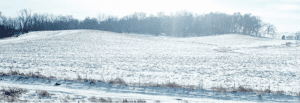
During their to-and-fro trips in the car between the residence and the airport terminal, they had an overarching view of unmarked snow layers deep down the horizon, similar to the Antarctic snow-clad field of immeasurable landmass, as published in National Geographic magazine. The dwelling houses and buildings within visible range were seen covered under a blanket of snow from the rooftops, and the piled-up snow rose to the ground floor. However, their constant shuttling between the airport and the residence was tiring for them. They had to be patient with the discomfort in the adverse climatic conditions to catch the available flight to reach their next travel stop.
A little later, the airline staff messaged that the flight would take off at 5 p.m. on 21st December 2022. Their niece and her husband kept tracking the flight with the help of Google Airlines’ air route. They took responsibility for driving them to the airport that day, as per the time-to-time intimation of flight timing. Already, the Meteorological Department had forecasted a snowstorm at 5 p.m. on 21st December.
Around 5:30 p.m., Allegiant Airlines landed on the tarmac and anchored at its bay for the boarding of passengers, including the Kashmiri couple, on the flight bound for Las Vegas. They had to catch the connecting Spirit Airlines flight on landing in Las Vegas for their next flight to California. The fear of the snowstorm haunted the passengers, who were eager to get seated on the flight as quickly as possible so that it could take off before the snowstorm that could impede it. The sky outside had a different story to tell; it was overcast with dark clouds. The visibility was hazy.
The airline staff at the boarding gate counter checked the boarding cards of each passenger and allowed them to stream into the aircraft to occupy their respective seats. Passengers were impatiently peeping through the glass panes, wondering whether the airplane would take off or not. Most of the passengers were using Google to study the intensity of the snowstorm and weather conditions. The pensiveness on their faces was discernible. Apprehensions about the flight were vivid. Snow clearance machines were operating on the tarmac. The airport ground crew were pushing the fallen snow from the upper surface of the airplane.
Everyone was guessing the plane would move outward to the runway to pick up speed for take-off. Everyone was waiting for taxiing to start. But nothing of that sort happened, and the aircraft remained immovable for four hours with passengers huddled up, fearful and jittery, with sulking looks and rolling eyeballs, trying to understand what was to follow. Every passenger was bewildered, as they could not grasp why flying off was out of the question. The visibility in the atmosphere dimmed as nightfall spread. Under the flashing lights from the electric poles, the falling snowflakes were visible, which turned into a hallucinating situation for certain passengers who imagined the plane was running on the tarmac when it was not. They were taken over by optical illusions triggered by assumptions made on the sense of vision.
The Kashmiri couple got physically cramped up in the compact aircraft for four hours, and the longing for take-off was nerve-racking for both of them. Their seats, allotted by the airline office, were diagonally opposite. The lady passenger was in the front row, whereas her husband was in the rear seat. There was no communication between the two, either verbal or digital. The lady was trapped in a three-seat row with two senior American couples who spoke in their American accent, which was beyond her comprehension. Her husband was at the tail end of the plane in a row of three seats adjacent to an African American passenger and her child. Therefore, the possibility of exchanging seats with either of the adjoining passengers was impossible. This type of seating for them on the plane rubbed salt into their wounds of desperation.
In this confusion, the gentleman made inquiries to the flight hostess about the chances of the flight taking off and whether they would be able to board the connecting flight from Las Vegas to California. The reply of the air hostess was disappointing—that their connecting flight would be missed. On learning of their inability to catch the flight to California after landing in Las Vegas, he was upset. Shortly after, the senior air hostess announced the cancellation of the flight due to a rigorous snowstorm. The passengers were directed to collect a ticket refund at the counter on the ground floor or to check with the airline staff when their next flight was possible. The declaration of flight cancellation by a member of the airline crew was disturbing for both of them.
They had to call their niece, who had been tracking the flight on her mobile. She was on the ground floor, waiting to pick up her uncle and aunt and drive them back to her residence in Des Moines for further stay until air traffic resumed. On their drive back from the airport to their niece’s house, the harshness of the winter storm was conspicuously visualised by the instant freezing of the falling snowflakes on the windshield. The hard crust of frozen layers of fallen snowflakes on the windshield of the car was melted by pouring a special tinned fluid over it. Then the car wipers were used to wipe off the windscreen; otherwise, it was all obscure for the driver to see the road.
The next day, The Wall Street Journal, a U.S.-based newspaper, carried a banner news column that 8,500 aircraft were grounded due to a severe snowstorm that affected the Midwest, Northeast, East, and North Plains, and Great Lakes regions. They were flabbergasted by the encounter with an adverse situation that engulfed most of the U.S. region, leading to the suspension of all air services. The spell of the winter storm was like a tempest. They were confined within the four walls of the house and did not dare to come out of the door, fearing they might get hit by the winter blizzard. The Wall Street Journal carried a banner headline warning that any portion of the body of a senior citizen exposed to extreme snowy chill would be afflicted with frostbite. The couple religiously read through the weather forecast column of The Wall Street Journal to know when the storm would subside.
Despite its highly advanced technology and scientific progress, the entire air transport system was shaken by the severe unpredictability of bad weather conditions. This disruption of air travel in a U.S. state reflected the earlier days of the couple when coach commuters on the National Highway from Jammu to Kashmir, or vice versa, were stranded for days in winter due to heavy snowfall, landslides, or boulders rolling down from loose rocks atop the mountain ridge. Compared to this, Jammu and Kashmir were less developed and lacked technological advances. Nonetheless, the administration and local people stranded on the highway provided help to each stranded passenger and the bus drivers. The rolling boulders, with potential force from the upper slopes, struck the moving coaches on the highway, dragging the vehicles down the gorge into the River Chenab, causing casualties and injuries among the passengers.
Finally, one may conclude that nature cannot be harnessed.
(The writer is an avid traveller. He has the experience of adventure tourism and runs Nature Walk Travels/Royal Safari Experience travel companies)