Islamabad, Jul 20: Amid escalating regional tensions, Pakistan has issued sweeping airspace closures, fueling speculation of potential military activity in anticipation of a possible Indian retaliatory strike following U.S. sanctions on The Resistance Front (TRF)—a Lashkar-e-Taiba proxy linked to the recent Pahalgam terror attack.
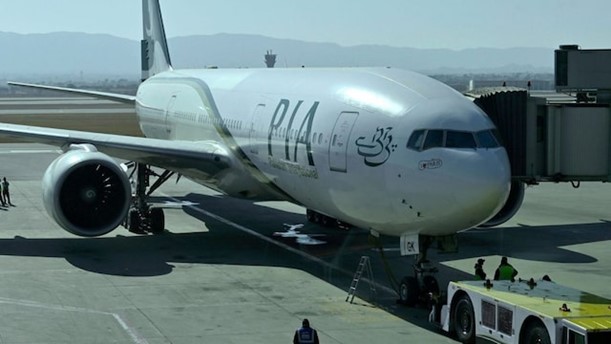
From July 16 to 23, Pakistan’s central airspace will remain fully restricted, with southern zones also off-limits on July 22 and 23, according to a NOTAM (Notice to Airmen) issued by Pakistani authorities. Officials have not confirmed the reason, but the move coincides with increased military preparedness.
Adding to the speculation, Chinese military cargo planes were spotted in Pakistan last week, sparking reports that Beijing may have delivered new weapons or air defense systems to Islamabad. The developments suggest heightened military coordination and potential strategic deployments.
Further intensifying the standoff, Pakistan has extended its airspace ban for Indian civilian and military aircraft until August 23, part of a pattern of escalating aviation restrictions since the Pahalgam terror attack.
The U.S. designation of TRF as a terrorist organization has drawn global attention to its links with Pakistan-based Lashkar-e-Taiba. India’s warning of a possible retaliatory strike has reportedly left Islamabad on high alert.
The sustained closure of Pakistani airspace—coupled with military exercises, missile test speculation, and increased coordination with China—suggests an unsettling level of preparedness for potential conflict. Experts believe this could be either deterrence messaging or preparation for escalation.
While no official statement has confirmed intentions on either side, the aviation lockdowns and arms movements point to deepening distrust and fragile peace along the India-Pakistan border.