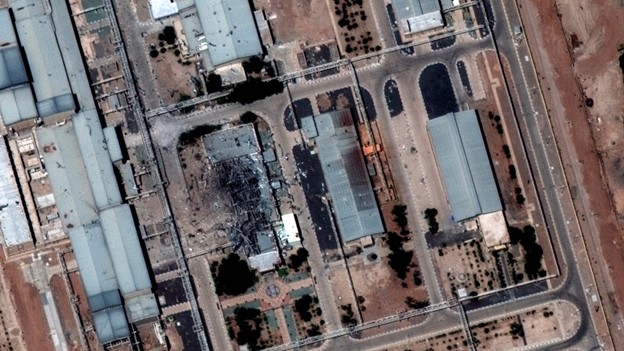
Tehran, June 25: Iran covertly moved 400 kilograms of 60% enriched uranium to undisclosed underground locations shortly before recent U.S. airstrikes, top intelligence sources revealed. The uranium, if further enriched to 90% weapons-grade, could be sufficient to produce two nuclear bombs, significantly raising global security concerns.
Despite strikes targeting the Fordow and Isfahan nuclear facilities, sources say Iran preserved all critical components of its nuclear programme. Satellite imagery reportedly captured 16 cargo trucks near tunnel entrances at Fordow days before the attacks—vehicles that later vanished. Iranian officials have admitted moving sensitive material but refused to disclose the new storage sites.
The uranium was stored in 25kg steel cylinders, making it easily portable and enabling swift relocation using standard trucks. This logistical maneuverability, combined with a suspension of IAEA verification activities after June 13, leaves the uranium’s current location unverified and its future use uncertain.
Intelligence assessments suggest Iran’s goal is to maintain strategic deterrence and preserve a rapid breakout capability, allowing it to resume weaponisation efforts if diplomatic negotiations fail. The move is seen as a calculated attempt to retain nuclear leverage without openly violating international norms.
Furthermore, Tehran’s continued non-cooperation with the International Atomic Energy Agency and hints at possibly withdrawing from the Non-Proliferation Treaty signal a hardened stance on its nuclear ambitions. Intelligence officials warn that Iran’s concealed stockpile, coupled with its technical know-how and political resolve, positions it to escalate its nuclear programme with little warning.
This development undermines Western claims of having neutralised Iran’s nuclear threat and intensifies the geopolitical stakes in the region.