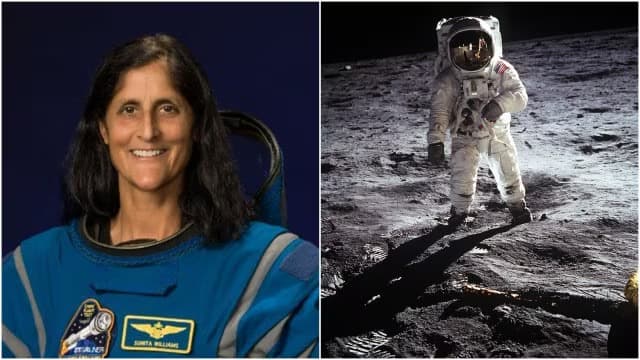
Veteran astronaut Sunita Williams, currently on a lengthy mission aboard the International Space Station, recently underwent comprehensive vision tests alongside her crewmates. The eye scans were conducted to monitor changes that can potentially occur in sight after extended periods living in microgravity.
Williams, who has Indian heritage, is over halfway through the Boeing Crew Flight Test mission to the orbiting laboratory. As part of standard procedures to protect astronaut health on long haul missions, she participates in regular checkups of eye function and structure. Recently, scans were done of the cornea, lens, optic nerve and other eye components.
Experts monitored the exams from mission control centers on Earth. The real-time feedback ensured accurate data collection needed for ongoing studies. Researchers are working to better comprehend microgravity’s impacts on vision and identify remedies. Problems catching early allows for prompt care, helping crew carry out duties effectively throughout missions.
Extended weightlessness puts unique stresses on the body, including eyes. Without gravity’s pull, fluids shift upward, increasing pressure inside the head and eyes. This intraocular pressure change with environmental conditions can morph eye shape and sight. Conditions like swelling of the optic disc and wrinkling of eye lining seen in some astronauts stem from such fluid shifts, doctors note.
Regular vision screenings let doctors track any emerging issues. As missions grow longer, maintaining good eyesight remains pivotal for crew wellness and job performance. Continuing this analysis gets scientists closer to measures shielding sight during future journeys to space and beyond.