Dr. Sonia Gupta (PT) Physiotherapist GMC, Jammu
Every year on April 17, the world observes World Hemophilia Day to spread awareness about hemophilia, a rare but serious bleeding disorder. Even today, many people are not fully aware of this condition, especially in rural and semi-urban areas. Lack of awareness often leads to delayed treatment and long-term complications.
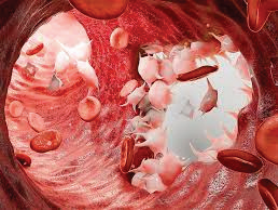
Hemophilia is a condition in which the blood does not clot properly. In a normal person, when there is an injury, the bleeding stops quickly due to clot formation. However, in individuals with hemophilia, the blood takes much longer to clot because certain clotting factors are missing or reduced. The two main types are Hemophilia A and Hemophilia B.
One of the biggest problems in hemophilia is not external bleeding but internal bleeding, especially in joints like knees, ankles, and elbows. These repeated bleeding episodes cause pain, swelling, and stiffness. Over time, this leads to joint damage, deformity, and difficulty in movement.
In day-to-day life, people with hemophilia face many challenges. Simple activities like walking, climbing stairs, or even standing for long periods can become difficult. Children may avoid playing due to fear of injury, while adults may find it hard to continue physically demanding work. This not only affects physical health but also impacts confidence and social life.
Physiotherapy plays a very important role in managing hemophilia and preventing complications. It is not only helpful after an injury but also essential for long-term care. With proper physiotherapy, patients can maintain joint health, improve strength, and lead a more active life.
One of the key roles of physiotherapy is to prevent joint damage. Patients are taught how to protect their joints and avoid movements that may cause injury. Early care after a bleeding episode can prevent serious complications later.
Pain and swelling are common problems in hemophilia. Physiotherapists help manage these symptoms using simple methods such as rest, proper positioning, and application of ice. These techniques help reduce inflammation and allow the joint to recover.
Muscle strength is very important for joint stability. Weak muscles increase the risk of further injury. Physiotherapy includes safe and gradual strengthening exercises that support the joints and improve overall function. These exercises are carefully planned according to the patient’s condition.
Many patients develop changes in their walking pattern due to pain or joint damage. This can lead to further problems if not corrected. Physiotherapists work on improving gait, balance, and coordination, helping patients move more safely and confidently.
Regular exercises also help in maintaining flexibility and reducing stiffness. This prevents deformities and improves the range of motion in affected joints. Over time, this leads to better independence in daily activities.
Early intervention is especially important in children with hemophilia. Physiotherapy helps in normal growth and development and prevents early joint damage. Parents are guided on how to handle minor injuries and encourage safe physical activity at home.
Apart from physical problems, hemophilia also affects mental and emotional health. Many patients develop fear of movement because of repeated pain and bleeding. This fear can limit their participation in daily activities. Physiotherapy helps in building confidence and encouraging safe movement, improving overall quality of life.
In Government Medical College Jammu, many patients with hemophilia visit the physiotherapy and orthopedics departments. A large number of them come at advanced stages with severe joint stiffness, pain, and deformities. This is mainly due to lack of awareness and delayed treatment.
However, patients who receive timely physiotherapy show significant improvement. They experience reduced pain, better joint movement, and improved ability to perform daily activities. Regular follow-up and patient education play an important role in long-term management.
With recent advances in medical treatment, such as clotting factor therapy, patients with hemophilia can now live more active lives. These developments have also made physiotherapy more effective, as rehabilitation can be started earlier and performed more safely.
Awareness is the key to better management of hemophilia. People should know the early signs of joint bleeding, the importance of timely treatment, and the role of physiotherapy in preventing disability.
Hemophilia is a lifelong condition, but it can be managed effectively with proper care. Physiotherapy is not just an additional treatment—it is a necessary part of care that helps patients stay active and independent.
With early diagnosis, regular exercise, and proper guidance, individuals with hemophilia can lead healthy and productive lives. Creating awareness and ensuring access to physiotherapy services can make a big difference in their journey.
“Timely care, awareness, and physiotherapy can change lives—helping every hemophilia patient move towards independence and dignity.”