New Delhi, July 1: A new vehicle regulation that came into effect on July 1 has triggered widespread distress among thousands of Delhi residents, as the government enforces a ban on fuel refills for diesel vehicles over 10 years old and petrol vehicles older than 15 years.
Implemented under the orders of the Commission for Air Quality Management (CAQM), the regulation aims to reduce pollution in the National Capital Region (NCR). Fuel stations across Delhi are now legally barred from dispensing petrol or diesel to vehicles that have crossed the age limit, regardless of their condition or performance.
The fallout is immediate. Many residents are being forced to sell their old vehicles at drastically reduced prices, with limited resale options. One such case is that of Varun Vij, who was compelled to sell his well-maintained 2015 Mercedes-Benz ML350—originally purchased for ₹84 lakh—for just ₹2.5 lakh.
“There are so many memories attached to the car. It’s been a part of our lives for 10 years,” said Vij, recalling countless family road trips. Despite the vehicle logging only 1.35 lakh kilometres and facing no major issues, he found no way to retain it. “I had no option. It couldn’t be used anymore, and no one wanted to buy it.”
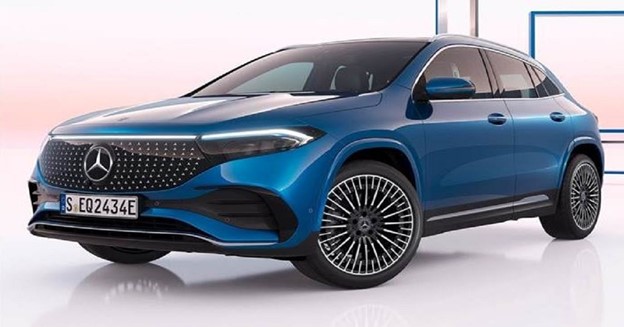
Vij has since bought a ₹62 lakh electric vehicle in hopes of avoiding future regulatory shocks. “I just want this one to last 20 years—unless a new rule comes in again,” he said.
Vij noted that he’s received calls from several other vehicle owners facing the same dilemma. Many are unsure of how to deal with vehicles that are legally unusable but still mechanically sound.
The rule, while aimed at addressing Delhi’s critical air pollution levels, has sparked frustration over the lack of transition support for vehicle owners. Critics argue that the move, though environmentally motivated, places a disproportionate financial burden on the middle class and offers few viable alternatives, especially in the used vehicle market.
As the policy begins to take full effect, a growing number of residents are either offloading their vehicles at throwaway prices or shifting to electric mobility—further underscoring the urgent need for clear, long-term mobility policies that balance environmental goals with citizen concerns.