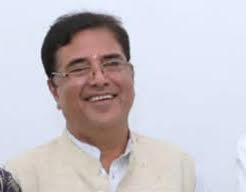
By Girdhari Lal Raina (Ex-MLC, J&K)
Cultural heritage is an integral part of a nation’s identity and plays a significant role in shaping society. It includes both tangible elements, such as historic sites, artifacts, and monuments, and intangible elements, such as traditions, customs, language, and beliefs. These aspects are not only sources of pride and inspiration but also carry immense historical, social, and economic value.
In this context, the cultural heritage of Kashmir and the Kashmiri Pandit community represents a unique and invaluable component of India’s cultural diversity. However, this heritage has faced serious challenges, particularly following the mass displacement of the Kashmiri Pandit community due to militancy and terrorism in the late twentieth century. Today, the displaced community is scattered across different parts of India and the world. Preserving and protecting culture and traditions under the difficult circumstances of exile is not an easy task, especially for a community with limited resources.
As custodians of the present and future, governments play a crucial role in safeguarding cultural heritage. It is their responsibility to ensure that these cultural treasures are preserved for future generations. This responsibility also includes protecting and promoting the rich cultural heritage of the Kashmiri Pandit community. One important step in this direction would be the construction and development of a modern, well-equipped museum and cultural heritage centre dedicated to Kashmiri Pandit history, traditions, and cultural contributions.
Museums perform several important functions, including collection, exhibition, conservation, research, and education. They collect artifacts, manuscripts, and documents to preserve them for posterity and to display them to the public. Museums organize both permanent and temporary exhibitions to educate visitors about culture, art, history, and science. They also conserve artifacts to prevent deterioration and conduct research to understand how objects were made and how they can be preserved.
Modern museums serve the broader purpose of collecting, preserving, interpreting, and displaying objects of artistic, cultural, and historical significance for public education. They are not merely exhibition spaces but also centres of knowledge and learning. Through lectures, workshops, educational programs, and interactive displays, museums enable visitors to engage with history and culture in meaningful ways.
Governments play a vital role in preserving cultural heritage through laws and regulations. Legal frameworks ensure that valuable cultural sites and artifacts are protected from destruction, illegal excavation, or unauthorized modifications. In India, the Ancient Monuments and Archaeological Sites and Remains Act, 1958 and the work of the Archaeological Survey of India provide the legal and administrative foundation for protecting monuments and archaeological sites of national importance.
Financial support is another essential aspect of heritage preservation. Governments can provide grants, subsidies, and tax incentives to support restoration projects and cultural initiatives. For example, several European countries encourage private investment in heritage conservation through tax benefits for the restoration of historic buildings. Such initiatives not only protect cultural heritage but also promote tourism and contribute to local economic development.
Governments can also raise awareness about the importance of cultural heritage through educational programs, media campaigns, and partnerships with cultural organizations and local communities. When people understand the significance of their heritage, they are more likely to respect, protect, and promote it.
On a global level, countries collaborate to protect cultural heritage through international organizations such as UNESCO, which works to preserve important cultural and historical sites around the world. These efforts are especially important for heritage sites that are threatened by conflict, natural disasters, or human activities.
Within the Kashmiri Pandit community, many traditional aspects of culture are gradually fading due to displacement and changing circumstances. Traditional clothing styles, hairstyles, dialects, and customs have undergone noticeable changes. The cultural environment that once nurtured these traditions has been disrupted, leading to the erosion of certain unique elements of identity.
Kashmir has historically been known as a cradle of vibrant cultural traditions. The traditional attire, regional dialects, festivals, marriage rituals, folklore, and customs associated with life events—including birth and death—are all integral parts of Kashmiri cultural identity. Preserving these traditions is essential not only for the community but also for the broader cultural heritage of India.
Since cultural traditions are closely linked to geography, establishing a museum and cultural heritage centre in or around Srinagar would be an ideal step. Such a centre could serve as a repository for artifacts, manuscripts, oral histories, and cultural documentation related to Kashmiri Pandit heritage. It could also function as a research centre for scholars, historians, and cultural researchers.
The proposed museum could play multiple roles: preserving artifacts, promoting research, educating the public, and providing a platform for cultural events and exhibitions. It could also become an important destination for tourists interested in the history and culture of Kashmir.
Key roles of the government in heritage preservation include:
Creating and enforcing laws to prevent destruction, encroachment, and illegal smuggling of antiquities.
Expanding the list of protected monuments under the care of the Archaeological Survey of India. Providing funding for restoration, conservation, and maintenance of cultural sites.
Promoting intangible heritage such as folk traditions, regional languages, and cultural practices through festivals, workshops, and educational initiatives.
In conclusion, the preservation of cultural heritage is a shared responsibility among governments, communities, and individuals. However, governments have a particularly important role in creating policies, providing resources, and establishing institutions that safeguard cultural traditions. Establishing a modern museum and heritage centre dedicated to Kashmiri Pandit culture would be a significant step toward preserving an important part of India’s cultural legacy for future generations.
( Girdhari Lal Raina is a former Member of the legislative council of Jammu Kashmir and spokesperson of the BJP JK-UT)
(The author is an Ex-Member Legislative Council Jammu Kashmir)