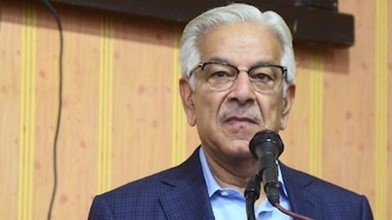
Islamabad, August 6 — In a sensational and explosive revelation, Pakistan’s Defence Minister Khawaja Asif has publicly accused the country’s top bureaucrats of large-scale corruption and international money laundering, claiming that billions of rupees in illicit wealth have been funneled from Pakistan to Portugal.
Taking to social media platform X (formerly Twitter), Asif alleged that more than half of Pakistan’s bureaucratic elite have invested in high-end real estate in Portugal using “black money.” He added that many of these officials are quietly pursuing Portuguese residency or citizenship, preparing what he described as a “silent escape plan” from the country amid worsening economic and political instability.
In a stinging critique of Pakistan’s power structure, Asif claimed politicians are unfairly blamed for corruption, while bureaucrats operate unchecked. “Politicians only get what is left over by them (bureaucrats), and still get blamed for everything,” he said, noting that most elected leaders do not hold foreign assets or citizenship as they must face public scrutiny and contest elections.
Highlighting the scale of bureaucratic corruption, Asif alleged that one senior civil servant—believed to be close to former Punjab Chief Minister Usman Buzdar—received Rs 4 billion in ‘salami’ (ceremonial gifts) at his daughter’s wedding. He labeled such displays of wealth as symbolic of a deeply entrenched culture of greed, impunity, and abuse of power, bluntly stating: “This bureaucracy is polluting our land.”
Reacting to Asif’s bombshell, Indian intelligence sources termed the situation a “classic case of elite asset laundering under diplomatic immunity.” They pointed out that Portugal had likely been chosen as a low-risk destination, avoiding countries like the UK or UAE, which are now under FATF (Financial Action Task Force) scrutiny.
“The loophole in FATF’s oversight mechanisms allowed this elite class to exploit Gulf-EU laundering corridors,” sources added, suggesting this revelation may be a calculated move to divert global attention from the military and intelligence sectors, particularly ISI, and shield them from potential sanctions.
Corruption in Pakistan remains a systemic challenge, deeply embedded in both political and bureaucratic institutions, undermining governance, draining public funds, and eroding trust in the system. Asif’s startling disclosures have reignited public debate over accountability, transparency, and institutional reform.