By Pupu Ji Koul
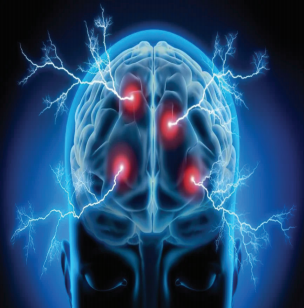
National Epilepsy Day, observed every year on 17 November, serves as an important reminder that neurological disorders still carry deep social stigma and misunderstanding, even though medical science has made remarkable advancements in diagnosis and treatment. Epilepsy, one of the most prevalent neurological conditions in the world, affects millions of people across all age groups, yet myths and misconceptions continue to overshadow facts. This day encourages society to reflect upon its attitudes, broaden its knowledge, and replace fear with awareness. Epilepsy is not a curse, not a mental disease, and certainly not a sign of instability. It is a medical condition arising from sudden and abnormal electrical activity in the brain, and with timely medication, lifestyle care, and social support, most individuals with epilepsy can lead fully productive, dignified, and independent lives. Despite the steady progress of medical research, epilepsy continues to be surrounded by outdated beliefs, especially in developing societies. Many people still associate seizures with the supernatural or assume that the condition is hereditary and untreatable. Such incorrect assumptions often discourage families from seeking proper medical help. National Epilepsy Day aims to break these damaging perceptions by promoting scientific explanations. A seizure may manifest in various forms—from brief moments of staring blankly or sudden muscle stiffness to violent convulsions—but each type has a medical basis and can be managed effectively with clinical guidance. Neurologists emphasise that early diagnosis, regular medication, and avoidance of triggers such as sleep deprivation, stress, or alcohol can significantly reduce the frequency of seizures. The day reminds people that epilepsy is manageable, and even curable in many cases, if the right steps are taken early. An equally important aspect of National Epilepsy Day is the emphasis on empathy and social acceptance. Individuals living with epilepsy often face discrimination in education, employment, and even personal relationships. Many hide their condition out of fear of being judged or excluded. This silence deepens their psychological burden and can lead to depression, anxiety, and loneliness. True awareness means not only understanding the medical realities of epilepsy but also cultivating an atmosphere where affected individuals feel respected, supported, and integrated rather than isolated. Schools and workplaces need to be equipped with basic knowledge of first-aid for seizures and adopt policies that treat epilepsy like any other health condition, without bias. Simple actions such as ensuring a safe environment during a seizure, keeping harmful objects away, and allowing the person to recover without panic can make a significant difference.
The role of families cannot be overstated. Parents, siblings, and caregivers often feel overwhelmed when a loved one is diagnosed with epilepsy, but their reassurance and consistent support play a transformative role in recovery. Emotional stability, encouragement, and a calm response during seizures help the patient feel secure and confident. At the same time, families must resist outdated advice and rely on medical professionals for treatment decisions. Modern therapies include anticonvulsant medications, lifestyle adjustments, and in some cases, surgery or nerve stimulation procedures—all backed by years of research. The increasing availability of advanced diagnostic tools such as MRI, EEG, and neuroimaging has further improved treatment outcomes. National Epilepsy Day encourages families to embrace scientific understanding and work towards an informed support system. A crucial challenge in dealing with epilepsy is the lack of public awareness about first-aid responses during a seizure. People often panic or resort to harmful practices such as forcing objects into the person’s mouth, sprinkling water, or holding them down forcibly. These actions can cause injury and complications. The correct approach is straightforward: stay calm; ensure the person is safe by moving away sharp objects; turn them gently to one side to help breathing; place something soft under their head; and allow the seizure to pass naturally. Most seizures last only a minute or two. After it stops, the person should be given time to regain full awareness. Medical help should be sought if the seizure lasts longer than five minutes or repeats without recovery. Disseminating such practical, life-saving knowledge is one of the primary objectives of National Epilepsy Day.
The observance of this day also highlights the remarkable achievements of organisations such as the Epilepsy Foundation of India, neurologists, caregivers, and patient advocacy groups who work tirelessly to improve awareness. They conduct workshops, free medical camps, public lectures, and school sessions to educate communities. Their efforts contribute to reducing stigma and empowering patients to manage their condition confidently. Media campaigns, social media initiatives, and community outreach programmes conducted on this day spread valuable information to a wider audience and inspire societal change. The movement towards understanding epilepsy is gaining strength, but much work remains to be done to eliminate prejudice completely. Another important theme associated with National Epilepsy Day is the encouragement of research and innovation. Scientists across the world continue to explore the underlying causes of epilepsy, including genetic factors, infections, brain injuries, developmental disorders, and metabolic issues. Each discovery helps improve treatment strategies and enhances the quality of life for patients. Newer medications with fewer side effects, advanced surgical techniques, and personalised treatment plans represent promising steps forward. Increased investment in research, along with stronger government policies supporting neurological health, can accelerate progress. Public awareness days like this reinforce the need for continuous scientific inquiry and greater healthcare access.
Epilepsy should not define a person’s potential. Countless individuals with epilepsy excel in academics, professions, sports, arts, and public life. They contribute to society with the same passion and capability as anyone else. What they need is equal opportunity and an environment free from discrimination. National Epilepsy Day seeks to build this environment by encouraging understanding, compassion, and scientific thinking. The journey toward eliminating stigma may be long, but collective awareness can transform the lives of those who silently struggle with this condition. By observing this day with sincerity, society acknowledges the importance of neurological health and the dignity of every individual affected by epilepsy. It reminds us that a compassionate community is one where misinformation is replaced by knowledge, fear is replaced by empathy, and silence is replaced by open discussion. Awareness is the first step toward empowerment, and empowerment is the path to a healthier, more inclusive world.