Over 1,400 booked under NDPS Act this year; rehabilitation and awareness drive gains momentum
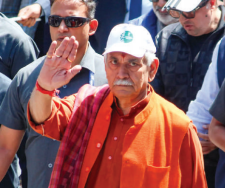
Manoj Sinha has revealed the alarming extent of the drug crisis in Jammu and Kashmir, stating that several distressed parents personally approached him seeking the arrest of their own children who had fallen prey to narcotics addiction.
Speaking about the growing menace of drugs and its links with terrorism, the Lieutenant Governor said the administration had launched an intensive campaign against drug abuse and narco-terrorism after repeated public concerns highlighted the seriousness of the issue.
The crackdown has yielded significant results, with more than 1,400 persons, including alleged drug peddlers and members of trafficking networks, arrested under the NDPS (Narcotic Drugs and Psychotropic Substances) Act in Jammu and Kashmir this year. Of these, over 800 arrests have been made during the past month alone.
Sinha said the emotional appeals from helpless families underscored the urgent need for stronger intervention. “People came to my office requesting action against their own children because they were unable to cope with the situation. Wherever I travelled or met the public, drug addiction emerged as a major concern,” he said.
The Lieutenant Governor asserted that the administration was targeting the problem at multiple levels, including dismantling supply chains, intensifying seizures of narcotics, and ensuring stringent punishment for those involved in trafficking.
At the same time, he stressed that rehabilitation and public awareness remain the biggest challenges. According to him, consultations with various stakeholders have led to the formulation of strategies for better monitoring and functioning of rehabilitation centres across the Union Territory.
To strengthen treatment facilities, the administration has directed every government health institution in J&K to reserve at least one bed for victims of substance abuse so that no patient seeking immediate assistance is denied care, even in the absence of nearby rehabilitation centres.
Sinha noted that the ongoing 100-day anti-drug campaign has also helped reduce the stigma associated with reporting addiction cases. He said calls to the MANAS helpline in Jammu and Kashmir had increased nearly six times over the past month, indicating greater public participation and awareness. Citizens, he added, are now more willing to report drug peddling and consumption in their localities.
Highlighting the security dimension of the issue, Sinha said there exists a direct nexus between drug trafficking and terrorism, as proceeds from narcotics often end up financing militant organisations. He disclosed that security measures had been further strengthened along vulnerable infiltration and smuggling routes.
According to the administration, forward areas along the Line of Control, including Tangdhar, Keran, Gurez and Kathua, have been identified as key routes for the entry and circulation of narcotics into Jammu and Kashmir.
The Lieutenant Governor also referred to the introduction of a Standard Operating Procedure aimed at enabling swift suspension or cancellation of documents such as passports, driving licences, arms licences and Aadhaar cards of persons accused in drug-related offences.
Another major step taken by the administration has been the demolition of properties allegedly linked to narcotics trafficking. Official figures indicate that 41 such structures have been razed this year. The action, however, has drawn criticism from both the ruling Jammu & Kashmir National Conference and the opposition Jammu and Kashmir Peoples Democratic Party, which have questioned whether innocent family members are also being affected.
Defending the move, Sinha maintained that properties built through proceeds of smuggling could not be protected. He asserted that the authorities had ensured no innocent person was targeted and claimed that the public largely supported tough action against those involved in the narcotics trade.