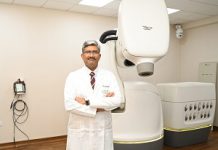
Conceiving Naturally After IVF: What are the Real Chances?
While IVF helps many couples struggling with infertility finally realize their dream of parenthood, some wonder if natural conception is possible after this medical intervention. But is it really achievable or just wishful thinking? An expert fertility specialist sheds light on this commonly asked question.
IVF is an assisted reproduction technique that involves medically stimulating a woman’s ovaries to develop multiple eggs, retrieving the eggs, fertilizing them in a lab with sperm, and then implanting the resulting embryo or embryos into the uterus. Though it has high success rates, not all IVF cycles result in pregnancy.
When IVF fails for unexplained reasons, it is natural for couples to hope that conceiving spontaneously may happen. However, the doctor warns that the underlying infertility issue that necessitated IVF in the first place often still persists. Depending on the cause of infertility like endometriosis, tubal blockage or male factor problem, natural conception post IVF could range from extremely unlikely to almost impossible without addressing the root clinical problem.
Genetic testing of embryos prior to transfer also potentially reduces the chances, as embryos with the highest implantation potential are selectively chosen during IVF cycles. Spontaneous conception may then only occur if remaining embryos not transferred have the ideal chromosome pattern. Couples should counsel their fertility expert to understand realistic probabilities based on their unique medical history before discontinuing contraception in hopes of a miracle pregnancy.
With continued support, most couples find closure in accepting medical realities. While some do conceive naturally against all odds, it is rarely advisable to rely on luck alone when effective treatment options exist. The doctor recommends focused efforts to identify persistent roadblocks rather than unplanned attempts after IVF. Overall communication and guidance from medical professionals help couples make informed family planning decisions.