
By Dr. Ashaq Hussain
In present times, food adulteration has become a serious problem in our society. Many food items that we consume daily are no longer pure. Milk is often mixed with harmful chemicals, fruits are ripened using artificial substances, and spices are coloured with synthetic dyes. Even sweets, oils, and packaged foods contain preservatives and chemicals that are not good for health. These adulterants reduce the quality of food and also introduce toxic substances into our body. While people mostly think about how such food affects the stomach or overall health, they often ignore its impact on teeth and oral health.
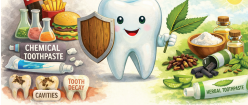
The mouth is the first part of the body that comes in contact with food. Whatever we eat directly affects our teeth and gums. When we consume adulterated and processed food regularly, it creates harmful conditions inside the mouth. Many of these foods contain excess sugar, acids, and artificial chemicals. These substances disturb the natural balance of the mouth and make it more acidic. An acidic environment is dangerous for teeth because it slowly damages the enamel, which is the hard outer covering of the teeth which is very important as it protects the inner parts of the teeth. But continuous exposure to acids weakens it. Once enamel is damaged, teeth become sensitive and cavities start forming. People may feel pain while eating hot or cold food. Apart from this, harmful chemicals present in adulterated food also affect the natural bacteria present in the mouth. Some bacteria are useful and help in maintaining oral health, but toxic substances increase the growth of harmful bacteria. This leads to problems like bad breath, plaque formation, gum swelling, and even serious diseases like gingivitis.
Another important effect of a toxic diet is the reduction of saliva in the mouth. Many processed and chemical-rich foods cause dryness in the mouth. Saliva plays a very important role in cleaning the mouth. It washes away food particles, neutralizes acids, and protects teeth from decay. When saliva production decreases, the mouth becomes more prone to infections and tooth decay increases rapidly.
Along with food, the toothpaste we use daily also plays an important role in oral health. Most people think that all toothpastes are safe, but this is not completely true. Many commercial toothpastes contain chemicals that may harm teeth and gums if used for a long time. These chemicals are added to improve taste, colour, and shelf life, but they do not always benefit dental health.
For example, fluoride is commonly used in toothpaste to prevent cavities, but excess use can cause a condition called fluorosis, which leads to yellow or brown stains on teeth. Some toothpastes contain sodium lauryl sulfate, which produces foam but may cause irritation in the mouth. Artificial sweeteners and flavours are also added, which increase chemical exposure in the body. Certain toothpastes contain strong abrasive materials that may clean teeth but can slowly wear down enamel if used regularly.
When a person is already consuming adulterated and chemical-rich food, the use of such toothpastes adds more harmful effects. Instead of protecting teeth, they may increase the damage. This creates a double problem for oral health, where both food and toothpaste are contributing to tooth decay and gum issues.
In such a situation, natural toothpaste becomes very important. It acts as the last line of defense against the harmful effects of a toxic diet. Natural toothpaste can be obtained and made from herbal and mineral-based ingredients and does not contain harmful chemicals. It is safe, gentle, and effective for maintaining oral hygiene.
Natural ingredients like neem, clove, and herbal extracts have been used in India for many years for cleaning teeth. Neem has strong antibacterial properties and helps in reducing germs in the mouth. Clove is known for relieving tooth pain and fighting infection. Baking soda is often used as a mild cleaning agent that helps remove stains and neutralize acids. These natural substances clean teeth without damaging enamel.
Natural toothpaste helps in maintaining the correct pH balance in the mouth. It reduces acidity and creates a healthy environment where good bacteria can survive. It also helps in increasing saliva production, which is important for natural cleaning of the mouth. Since it does not contain harsh chemicals, it does not irritate gums or damage soft tissues.
Another advantage of natural toothpaste is that it is safe if swallowed in small amounts. This is especially important for children, who may accidentally swallow toothpaste while brushing. Using natural products reduces the risk of harmful chemical intake. It also supports overall health by lowering daily exposure to toxins. In addition, natural toothpaste is environmentally friendly. It usually contains biodegradable ingredients and does not harm water or soil. In contrast, many chemical toothpastes contain substances that may pollute the environment when they are washed away.
However, it is important to understand that using natural toothpaste alone is not enough. It should be combined with good eating habits and proper oral care. People should try to reduce the intake of adulterated and processed food. Eating fresh fruits, vegetables, and home-cooked meals can improve both general and oral health. Drinking enough water also helps in keeping the mouth clean and hydrated.
Brushing teeth twice a day with the correct technique is necessary. Gentle brushing with a soft brush helps in cleaning without damaging enamel. Traditional practices like rinsing the mouth after meals and using natural remedies can also support oral hygiene. Regular dental check-ups are important to detect problems at an early stage.
In conclusion, food adulteration and the use of chemical-rich products have created serious challenges for health, especially for teeth and gums. The harmful substances present in modern diets weaken enamel, disturb the balance of bacteria, and increase the risk of dental diseases. When combined with chemical toothpastes, the damage becomes even greater. Natural toothpaste offers a simple and effective solution to this problem. It protects teeth in a gentle way and helps in maintaining a healthy oral environment. In today’s world, where avoiding all toxins is difficult, natural toothpaste truly acts as the last line of defense against toxic diets and helps in preserving our smile and overall well-being.
Dr. Ashaq Hussain is Associate Professor Chemistry at Govt Gandhi Memorial (GGM) Science College, Jammu and can be reached at [email protected]