
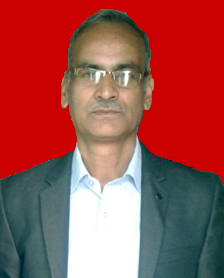
Omkar Dattatray
Makar Sankranti is a Hindu festival, but it is celebrated jointly by people of various faiths. It fosters the principle of unity in diversity, which is the chief characteristic of the Indian nation.
The festival of Makar Sankranti has great importance in Sanatan Dharma and is celebrated on the second day after the festival of Lohri. Makar Sankranti is observed with great religious and spiritual devotion by crores of Indians. The festival is dedicated to Lord Surya and is celebrated differently in different parts of India. It is a shining example of the diverse culture and the spirit of unity in diversity, which is the priceless treasure of Indian civilization and must be preserved at all costs, for the beauty of Indian culture lies in its diversity.
This festival is the harbinger of change, positivity, enthusiasm, climatic transition and new beginnings. Makar Sankranti, also referred to as Uttarayan, Makar, or simply Sankranti, is a Hindu observance and festival, usually falling on 14th January every year. This auspicious occasion marks the transition of the Sun from the zodiac of Sagittarius (Dhanu) to Capricorn (Makara). It is believed that on this day the Sun begins its northward journey, moving from the southern hemisphere to the northern hemisphere, according to the Hindu calendar.
The festival is dedicated to the solar deity, Surya, and symbolizes renewal and hope. Many multi-day festivals are organized across the country on this occasion. The entire month of Magh is considered extremely pious in Hindu scriptures. It is believed that a person who dies during this month attains heaven, as described in the holy Bhagavad Gita, giving the month special religious significance.
Makar Sankranti is known by different names across India — Magh Bihu in Assam, Maghi Saaji in Himachal Pradesh, Maghi Sangrand or Uttarain in Jammu, Sakrat in Central India, Pongal in Tamil Nadu, Ghughuti in Uttarakhand, Dahi Chura in Bihar, Khichdi Sankranti in Uttar Pradesh, Posh Sankranti in West Bengal, Shishur Sankrant among Kashmiri Pandits, and Uttarayan in Gujarat and Rajasthan. In Karnataka and Andhra Pradesh it is known as Makar Sankramana and in Tamil Nadu it is celebrated as Pongal, the harvest festival, for three days.
Makar Sankranti marks the change of the Sun into the zodiac of Capricorn. On this auspicious day, lakhs of devotees take holy dips in the sacred waters of the Ganga at Haridwar, Prayagraj, Kashi and other pilgrimage centres, as well as in rivers across the country. It is believed that such sacred bathing frees devotees from sins. Offerings of til are made to the Sun God, symbolising prosperity and happiness.
The festival is celebrated on 14th and 15th January with great fervour. In places like Prayagraj and Garhmukteshwar, massive crowds gather, and nearly 40 to 50 lakh devotees are expected to take the holy dip. Kite flying is another joyful tradition associated with Sankranti, especially in Gujarat and Rajasthan, where the sky is filled with colourful kites.
According to Hindu almanacs, calendars are of two kinds — solar and lunar — and Makar Sankranti is celebrated according to the solar calendar. The Sun’s entry into Uttarayan is associated with longer days, increased energy, productivity, progress and development in human life.
This festival symbolises progress, hope and positivity. It marks the beginning of the Hindu month of Magh and heralds the arrival of spring, harvesting of crops and the blossoming of trees and plants. The diversity of names and customs associated with Makar Sankranti itself reflects India’s cultural richness.
Makar Sankranti is celebrated by people cutting across religious affiliations, thereby strengthening national unity and integration. India, with its vast diversity of faiths, cultures, languages and regions, stands unique in the world for its spirit of shared celebration. This is the essence of our Ganga-Jamuni culture.
To conclude, may the Sun God, to whom this festival is dedicated, bless us all and guide our energies towards collective good, harmony and happiness. There is no better way to celebrate Makar Sankranti than by celebrating it together, strengthening both unity and diversity for which our nation is admired globally. We must pass on this cultural heritage to future generations so that they remain connected to their roots, values and traditions.
(The author is a columnist, social activist, KP activist and freelancer)


