
Omkar Dattatray
Pollution is a curse for humanity, and India today is struggling with its growing and dangerous spread. The menace of pollution has assumed alarming proportions, threatening public health and daily life. Nowhere is this more evident than in our national capital, where hazardous pollution levels have made life extremely difficult. The residents of Delhi are facing some of the worst air quality in the world, resulting in severe breathing problems and other health complications. It is no exaggeration to say that the air has turned poisonous, rendering the city almost “deadly.”
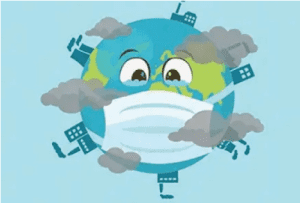
The ill effects of pollution are now impossible to ignore. Citizens must remain conscious of the health hazards associated with air, water, soil, and noise pollution. Public participation and cooperation with government initiatives are essential to ensure that pollution does not turn into a silent killer. Without collective action, the risks will continue to grow, with long-term consequences for our health, environment, and future generations.
Every year on December 2, India observes National Pollution Prevention Day, a day dedicated to raising awareness about pollution control and reminding people of the urgent need to protect our environment. The day is also observed to commemorate the victims of the 1984 Bhopal Gas Tragedy, one of the world’s worst industrial disasters. The tragedy stands as a stark reminder of how industrial negligence can wreak irreversible havoc on human life and the environment.
On the night of December 2–3, 1984, a massive leak of highly toxic methyl isocyanate (MIC) gas from the Union Carbide pesticide plant in Bhopal led to thousands of deaths within hours and caused long-term health problems for hundreds of thousands more. The disaster shocked the world and brought into focus the need for stricter environmental laws, industrial safety measures, and responsible development.
National Pollution Prevention Day serves this very purpose. It highlights the severe dangers of polluted air, contaminated water, degraded soil, and unchecked industrial emissions. It urges individuals, organisations, policy-makers, and governments to adopt sustainable practices and work collectively to ensure a cleaner, safer planet.
Purpose and Goals of National Pollution Prevention Day
- Promoting Prevention:
Encouraging industries and individuals to adopt preventive steps to avoid future pollution-related disasters. - Highlighting Environmental Laws:
Emphasising the importance of strict and effective environmental laws, safety protocols, and regulations. - Encouraging Action:
Inspiring society to protect natural resources through sustainable living, responsible consumption, and eco-friendly choices.
Ways to Participate and Contribute
- Reduce Pollution:
Use public transport, carpool, cycle, and minimise the use of plastic and other pollutants. - Proper Waste Management:
Segregate waste at source and adopt recycling practices to reduce environmental burden. - Increase Greenery:
Plant trees and nurture green spaces to improve air quality and foster ecological balance. - Conserve Resources:
Use electricity, fuel, and water wisely to reduce wasteful consumption and conserve energy. - Spread Awareness:
Educate friends, neighbours, and communities about pollution hazards and sustainable practices. - Support Stricter Regulations:
Encourage government efforts to enforce firm laws against industrial emissions and environmental violations.
National Pollution Prevention Day holds special significance for students and young citizens. It motivates them to envision a cleaner future and equips them with knowledge about environmental protection. Schools, colleges, and community organisations across the country use this occasion to discuss pollution-related challenges and promote eco-friendly lifestyles. Activities such as debates, awareness campaigns, plantation drives, and exhibitions help students understand real-life implications of pollution and prepare them to be responsible environmental stewards.
In 2025, National Pollution Prevention Day falls on Tuesday, December 2. The day once again draws attention to India’s ongoing struggle against rising pollution levels in both urban and rural regions. It reinforces the need for continuous efforts to reduce air, water, soil, and noise pollution and protect public health. Environmental sustainability is not a one-day responsibility but a lifelong commitment.
As we reflect on the lessons of the Bhopal tragedy and assess the growing environmental challenges around us, it becomes essential to renew our pledge to protect the planet. Pollution control is not merely a government duty; it is a shared social responsibility.
In conclusion, let us resolve on this National Pollution Prevention Day to work sincerely and responsibly toward reducing pollution. By making mindful choices, supporting environmental protection efforts, and spreading awareness, we can help build a healthier society and a cleaner, safer planet for future generations.
(The author is a columnist, social activist and freelancer)