Ashu Kumar
Jammu Tawi, Oct 1
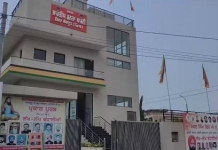
The Power Development Department (PDD), often cynically dubbed the “Department of Power Cuts” and often faces the allegations of corruption, is once again in the spotlight after it conducted a joint raid with media support in Ward No. 48, Gorkha Nagar, to check illegal electricity connections.
While the raid was projected as a bold step against electricity theft, local reactions collected by The Northlines reveal a very different picture—one that points fingers back at the PDD staff themselves. Many residents allege that the very employees and field staff responsible for policing electricity theft by various methods, in fact, facilitate it for consideration of money.
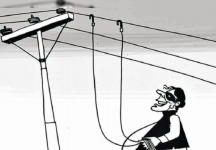
Residents voiced near-unanimous opinions: “What is the point of raiding households when illegal connections are installed by PDD workers themselves?” According to them, several PDD employees either directly set up these ‘Kundi’ connections or accept bribes to look the other way.
Allegations of a Show Raid
Locals claimed the recent raid in Gorkha Nagar was less about curbing power theft and more about “sending a message” and “raising money.” A resident remarked, “Whenever a new Junior Engineer or officer is posted, such raids are conducted to instil fear. But once they are allured by some unscrupulous consumers, the illegal connections quietly resume.”
This sentiment is echoed widely. People say that the raid was not an earnest attempt at reform but a tactic to squeeze the public, particularly those from weaker sections. “Most of the residents here are from the Below Poverty Line (BPL) category. They lack influence and contacts, so they are the easiest targets,” another local added.
Residents alleged that once the ‘Hafta Basuli’ is done, electricity theft in the area continues unabated, almost as if nothing had happened.
A counter voice of selective targeting of poor areas
What angered locals most was the department’s “selective morality.” Many asked why such raids are limited to colonies like Gorkha Nagar, when posh neighborhoods such as Gandhi Nagar, Channi Himmat, Gujjar Nagar, or Bathindi also have widespread illegal electricity use.
If the PDD really wants to show honesty, let them raid posh areas too,” a shopkeeper commented. “In those areas, officers make good money in return for turning a blind eye. That’s why they remain silent there. But in colonies like ours, they come with media to create a spectacle.”
The residents argued that unless the PDD cleans up corruption within its own ranks, targeting ordinary people—especially the poor—will never resolve the problem of power theft.
The episode reflects a cycle of distrust between the public and the department. While the PDD insists on preventing pilferage and illegal use of electricity, people widely believe that corruption within the system makes these drives meaningless.
A local activist said, “How can the department expect the public to trust them when their own employees are the ones fixing illegal connections? If PDD staff acted honestly, there would be no space for such theft in the first place.”
The situation highlights a deeper governance issue: rules are applied unevenly, with the poor bearing the brunt while the influential escape scrutiny. In many BPL households, where electricity bills are often unaffordable, residents say they are harassed disproportionately, while wealthier areas enjoy an informal arrangement with officials.