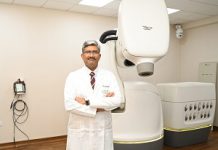
A woman’s reproductive history can impact her chances of developing breast cancer later in life. Dr Amrit Raj, an oncology specialist at New Delhi Hospital, explains the links between childbearing and this widespread disease.
Breast cancer is influenced by hormones, so anything that affects hormone levels may be a risk factor. According to Dr Raj, factors that increase a woman’s lifetime exposure to estrogen and progesterone – like early menstruation, late menopause, or having fewer children – are tied to higher risk.
Pregnancy itself prompts temporary cell growth in the breasts that could enable damage to multiply. However, it also offers long-term protection. Women delivering their first baby in their teens or early twenties face a significantly lower risk than those becoming mothers later or not at all. Childbirth induces changes that make breast cells less receptive to cancer-causing agents over the decades.
Breastfeeding confers additional benefits. It reduces the number of menstrual periods a woman experiences in her lifetime, lessening her total hormonal exposure. The process of lactation also encourages breast tissue to mature in a way that makes it harder for damaging mutations to occur. Having multiple babies may sometimes promote a more aggressive form of cancer, though.
While early pregnancy protects against many breast cancer types, very late or no pregnancies are connected to an increased chance of hormone-dependent tumors. Experts advise maintaining a healthy weight, exercising regularly, and drinking only in moderation to help reduce risk regardless of family planning choices. The expert’s insights provide valuable context on this complex issue.