
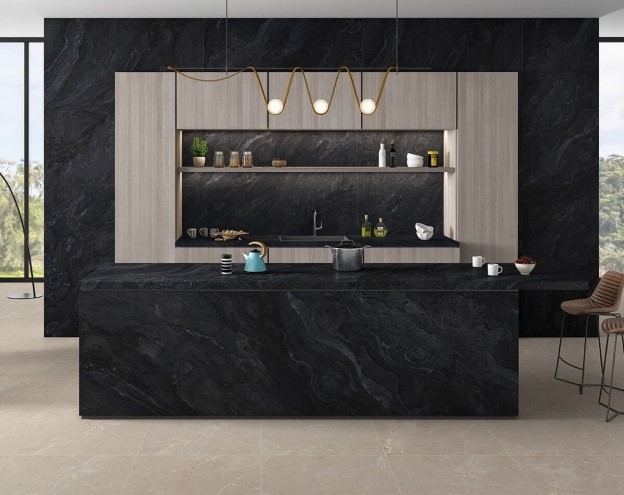
Choosing the right material for kitchen countertops is now an important decision for Indian homeowners. With so many options available, it is not always clear which surface will truly handle daily cooking, heat, stains, and long-term use. What looks good in a showroom may not always perform well in a real kitchen. This is where materials like quartz, marble, and sintered stone come into focus. Each offers a different balance of design, durability, and maintenance. Understanding how they compare under real-life conditions is essential before making a decision that will affect both the function and the look of your kitchen.
Material Composition and Surface Characteristics
Before comparing how these materials perform, it is important to understand what they are made of and how they are created. This directly affects how they look, feel, and behave in a kitchen.
- Marbleis a natural stone that forms deep within the earth over many years. Because it is natural, every slab has its own unique veining and patterns, which give it a rich and classic appearance.
- Quartzis an engineered surface. It is made by combining natural quartz crystals with resins and pigments. This process creates a more consistent color and pattern, giving it a clean and controlled finish.
- Sintered stoneis produced using advanced manufacturing technology. Natural minerals are compressed under very high heat and pressure, creating a dense, non-porous surface. It is designed for strength and durability, and is often available in large slabs that allow for seamless, modern kitchen designs.
Visual Appeal and Design Versatility
When it comes to looks, all three materials offer something unique.
- Marblehas a timeless charm. No two slabs are the same, giving them a natural and luxurious feel. However, this also means less control over patterns and consistency.
- Quartzoffers a more uniform appearance. It works well in kitchens where consistency in color and pattern is important. It can mimic natural stone but usually feels more controlled and predictable.
- Sintered stonestands out for its balance. It offers both natural-inspired designs and consistent finishes. With large slabs, fewer joints and cleaner lines are possible, which is especially useful in modern Indian kitchens that focus on open layouts and minimal detailing.
Performance Under Everyday Kitchen Conditions
Indian kitchens are not light-use spaces. Materials must handle heat, spills, and regular wear.
- Marble, while beautiful, is relatively soft. It can scratch and stain easily, especially when exposed to oils, spices, or acidic ingredients like lemon and vinegar. Over time, it may require polishing to maintain its look.
- Quartzis more durable than marble. It resists stains well and does not require sealing. However, it is not fully heat-resistant. Direct contact with hot utensils can cause damage.
- Sintered stoneis built for tougher conditions. It is highly resistant to heat, scratches, and stains. This makes it suitable for kitchens where heavy cooking is common. Its non-porous nature also helps maintain hygiene without extra effort.
Maintenance Requirements and Long-Term Care
Maintenance plays a big role in long-term satisfaction.
- Marbleneeds regular care. It usually requires sealing and careful cleaning to prevent stains and damage. It is not ideal for those looking for low-maintenance surfaces.
- Quartzis easier to maintain. It does not need sealing and can be cleaned with basic household products. Still, some care is needed to avoid heat damage.
- Sintered stoneis among the easiest to manage. It does not require sealing and is resistant to most common kitchen spills. Daily cleaning is simple, making it practical for busy households.
Why Large Slabs Are Changing Kitchen Design
Large slabs are redefining modern kitchen layouts by making seamless surfaces easier to achieve and maintain.
- Seamless Layouts: Large slabs reduce visible joints, creating continuous countertops, backsplashes, and islands that look cleaner and feel more refined.
- Better Hygiene: Fewer joints mean fewer areas where moisture, grease, and dirt can collect, making cleaning simpler and more effective.
- Design Flexibility:Sintered stone offers greater flexibility in large formats compared to quartz, while marble’s natural variations can limit fully seamless designs.
- Modern Surface Innovation: New-age options like Neotra Advance Surfaces combine large slabs with durability, color consistency, and NSF and IGBC certifications.
Together, these advantages support kitchens that balance practical performance with a smooth, uninterrupted visual flow.
Suitability Across Different Kitchen Needs
Indian cooking involves heat, spices, oil, and frequent cleaning. So, the material must handle all of this without constant worry.
- Marbleworks best in low-use or decorative kitchen areas where heavy cooking is limited.
- Quartzsuits moderate-use kitchens where ease of maintenance is important but direct heat exposure is controlled.
- Sintered stonefits well in high-use kitchens that need both durability and modern design flexibility.
Choosing What Actually Works for You
Selecting a kitchen countertop material depends on lifestyle, maintenance expectations, and design priorities. Marble appeals to homeowners who appreciate natural character and are comfortable with regular care. Quartz provides a dependable balance of durability and easy maintenance for everyday use. For those focusing on long-term performance, minimal upkeep, and seamless large-slab surfaces, sintered stone offers a practical and contemporary option for modern Indian kitchens.
Conclusion
Kitchen countertops are not just surfaces. They are part of daily life. They handle cooking, cleaning, gatherings, and everything in between. Choosing between quartz, marble, and sintered stone comes down to understanding your lifestyle. A good decision is not just about how it looks on day one, but how it performs years later. Take your time, compare honestly, and choose what fits your kitchen, not just what looks good in a showroom.

