

By Dr. Vinod Chandrashekhar Dixit
The decline of sparrows is a stark reminder of the impact of human activities on the environment. Their dwindling numbers are a symptom of a larger issue – the degradation of our natural habitats and ecosystems. As urbanization and modernization continue to transform our surroundings, sparrows are struggling to adapt. The loss of nesting sites, reduction in food sources, and increased pollution are all taking a toll on these tiny birds.
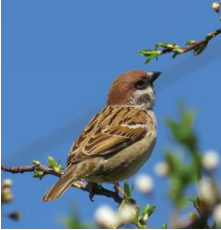
Moreover, the increasing use of pesticides and herbicides in agriculture is not only affecting sparrows but also other beneficial insects and birds. These chemicals can accumulate in the food chain, leading to a decline in insect populations, which in turn affects the sparrows’ food supply. The radiation from mobile towers is another significant threat, disrupting the birds’ navigation and breeding patterns. Climate change is also playing a role, altering temperature and precipitation patterns, and affecting the availability of food and water for sparrows. It’s heartening to see initiatives like sparrow-friendly habitats and nesting boxes gaining traction. Simple actions like planting native flora, reducing pesticide use, and creating bird-friendly spaces can go a long way in supporting sparrow populations. As individuals, we can make a difference by being more mindful of our impact on the environment and taking small steps to conserve these wonderful creatures.
For instance, we can start by making our homes and gardens more sparrow-friendly. Planting native plants like sunflowers, marigolds, and zinnias can provide a source of food and shelter for sparrows. We can also install bird feeders and birdbaths to provide sustenance and hydration. Additionally, reducing the use of pesticides and herbicides in our gardens can help create a more favorable environment for sparrows and other beneficial insects.
Furthermore, community-led initiatives can also play a significant role in sparrow conservation. Local governments and organizations can launch awareness campaigns to educate people about the importance of sparrow conservation. They can also set up sparrow-friendly habitats in public spaces like parks and gardens, and provide resources and support for individuals to create their own sparrow-friendly spaces.
Ultimately, it’s our responsibility to protect the sparrow and its habitat, not just for the bird’s sake, but for our own well-being too. By preserving the natural world, we’re safeguarding our own future. As the saying goes, “when the sparrows disappear, humanity won’t be far behind.” Let’s take action today to ensure that future generations can enjoy the sight and sound of these delightful birds.
The decline of sparrows is a warning sign that our ecosystem is out of balance. The loss of a single species can have far-reaching consequences, affecting not just the environment but also human health and economy. It’s time for us to take notice and act. We can make a difference by making conscious choices in our daily lives, supporting conservation efforts, and advocating for policies that prioritize the environment. Together, we can create a world where sparrows can thrive, and our planet can flourish.
(The Author is a Free-Lance Journalist, Writer & Cartoonist
Limca Book of Record Holder and can be reached at [email protected])


