By Jag Mohan Thaken
Amid a stalled phase in the finalisation of the Indo–American trade negotiations, India and New Zealand announced a bilateral Free Trade Agreement (FTA) on December 22, 2025, projecting it as a win-win arrangement for both countries. However, the agreement is expected to take about six months to come into full effect.
A Government of India press release issued through the PIB on December 22, describing the FTA as “Gains for Agriculture, Technology Cooperation, and Farmer Income Growth”, states that New Zealand has agreed on focused action plans for kiwifruit, apples and honey to improve productivity, quality and sectoral capabilities of Indian growers. The cooperation includes establishment of Centres of Excellence, improved planting material, capacity building for growers, technical support for orchard management, post-harvest practices, supply chains and food safety. Projects for premium apple cultivation and sustainable beekeeping practices are also proposed to enhance production and quality standards.
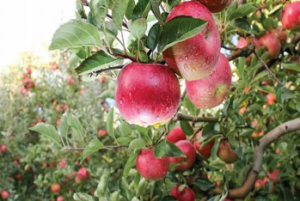
This is paired with market access for selected agricultural products — apples, kiwifruit and manuka honey — from New Zealand into India.
Prime Minister Narendra Modi, in a post on X on December 22, 2025, stated:
“An important moment for India–New Zealand relations, with a strong push to bilateral trade and investment… This FTA ensures enhanced market access, deeper investment flows, and numerous opportunities for innovators, entrepreneurs, farmers, MSMEs, students and youth.”
In another message the same day, the Prime Minister said the FTA sets the stage for doubling bilateral trade within five years and welcomed over USD 20 billion in investments from New Zealand across diverse sectors, while also strengthening cooperation in sports, education and cultural exchanges.
New Zealand’s Ministry of Foreign Affairs and Trade (MFAT), on its website, highlighted that the FTA will deliver preferential access for New Zealand exporters to 95 per cent of current exports to India over time, with more than 50 per cent receiving full tariff elimination from day one, rising to over 80 per cent gradually.
MFAT further detailed that forestry, sheep meat, wool, coal, fish and seafood, along with horticultural products including apples and kiwifruit, would benefit from phased tariff reductions, with new quota access for apples and kiwifruit, and significant tariff cuts for manuka honey, dairy preparations and other related products.
According to MFAT, New Zealand has become the first country to secure preferential access for apples and tariff-free access for kiwifruit in any Indian FTA, opening new opportunities as India’s economy and middle class expand.
From New Zealand’s perspective, the agreement is strongly farmer-centric, covering forestry, animal products, fisheries and horticulture.
Balancing the Concerns
While the agreement promises technological support and productivity enhancement for Indian farmers, sections of India’s horticulture sector have expressed apprehension, particularly apple growers. The Apple Farmers’ Federation of India (AFFI) has voiced concerns over the lowering of import tariffs on New Zealand apples, warning that increased imports could intensify competitive pressures on domestic producers.
In a statement, AFFI criticised the reduction of the basic customs duty on apple imports from 50 per cent under the FTA and pointed out that a fixed quantity of apples would now be allowed at zero or highly concessional tariff rates. Under the agreement, New Zealand will receive import concessions for 32,500 metric tonnes of apples in the first year, rising to 45,000 metric tonnes by the sixth year at 25 per cent duty.
Apple growers have underlined that horticulture contributes nearly 30 per cent of India’s agricultural GDP and that apples provide critical income to farmers in Jammu & Kashmir, Himachal Pradesh, Uttarakhand and northeastern states. They note that apple imports have risen from 0.2 lakh metric tonnes to nearly 6 lakh metric tonnes over the past 25 years, while exports have remained stagnant.
At the same time, government officials maintain that the FTA includes provisions to support Indian orchard development through technology transfer, improved planting material, better post-harvest management and infrastructure strengthening, which could significantly enhance domestic productivity and competitiveness in the long term.
AFFI has also raised concerns over the reduction of duties on US apples, the removal of retaliatory tariffs in 2023, and alleged mislabelling of Iranian apples entering India through Afghanistan. The federation believes such factors have contributed to rising imports and depressed domestic prices.
However, policymakers argue that expanding trade partnerships, when accompanied by domestic capacity-building measures, can create a more resilient and globally competitive horticulture sector, benefiting farmers through improved quality, market access and income diversification.
The apple-producing regions of Jammu & Kashmir and Himachal Pradesh, which together contribute nearly 90 per cent of India’s 2.6 million metric tonnes of apple output, continue to face climatic challenges, reinforcing the need for both protective measures and modernisation of orchard practices.
AFFI has called upon the government to reconsider tariff reductions and has reiterated long-standing demands including higher import duties, fair price policies, insurance coverage, and subsidies for storage and transport. It has also urged stronger regulation of pesticides and fertilisers.
At the same time, the government maintains that the broader objectives of the FTA — technological collaboration, investment inflows, infrastructure development and market expansion — can provide new growth pathways for Indian farmers if implemented with adequate safeguards.
The evolving challenge for policymakers will be to ensure that trade liberalisation proceeds hand in hand with protection of farmer livelihoods, especially in sensitive sectors like apples, so that the promise of global integration translates into sustainable gains for India’s agricultural communities.