By Tirthankar Mitra
A century after “Nazi Olympics”, Germany pitches for hosting 2036 Olympics. Meanwhile, it is confronted by a question overshadowing its past “should Berlin stage the Games again?” Opinions are divided on the issue. Supporting and dissenting voices ring out loud and clear.
A former Chancellor sees a chance “to clearly show Germany has learnt from history”. An economist predicts “the positive effects that could prevail.” A historian fears the optics of an “a anniversary celebration”. The country’s president calls it “historically problematic.”
The debate refused to die down after German President Frank-Walter Steinmeier said that choosing 2036 risked turning history into a marketing device. The German Olympic Association president Thomas Weikert said “all dates would remain open”.
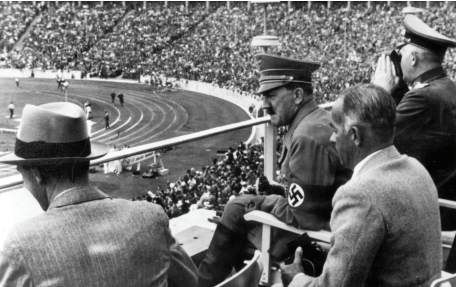
Troubling memories arise about the two previous Olympics held in Germany. If the 1936 Games was a propaganda showcase for Hitler, the 1972 Games witnessed terrorists killing 11 Jewish athletes in the Olympics village.
The issue is not that Germany should not host. It is that the centenary year remains sensitive. Unintentionally creating a symbolic “echo” if 2036 is chosen has been, the refrain of some critics. It is opined that it could reopen the wounds of the victims of Nazism and their descendents.
The apprehension cannot be ruled out that hosting the Games would trigger media narratives that could focus Hitler’s Games rather than modern Germany. Concern that far-right groups appropriating this symbolism hover in the horizon. A survey found 67 per cent of the residents of Berlin opposing the Games in any year. It indicates deep unease.
Supporters of holding the Games in Germany point out that that it would be a pointer to the political culture of remembrance that acknowledges the Nazi period and the prosecution of the Jewish people. The Berlin opinion givers apart, there is a sizeable percentage in Germany who feel the country’s past cannot be whitewashed even as it seeks to build a new future for itself.
Former German Chancellor Gerherd Schroder commented “Hosting the Games in Germany on that date would offer an opportunity to demonstrate to the world, and also to the generation of young people in Germany what we as democratic Germany has learned from our history.”
In 1931, Germany was awarded the Games. When Hitler came to power in1933, be saw the Games as an opportunity to promote ideals of Aryan racial superiority which his regime espoused.
The Nazi party paper” Volkischer Beobachter” wrote in the strongest terms that Jewish and Black athletes should not be allowed to take part in the Games. However, threatened by a boycott of the Games by other nations, Hitler relented. and withdrew his objection of Jewish and Black persons participating.
Signs stating “Jews not Welcome” dotting the then Germany were removed. But it is to be noted that it was only for the duration of the Games. It introduced the first torch relay from Olympia Greece. It was the first Olympics to be telecast.
Rubbishing all notions of Aryan racial superiority, Jesse Owens, a Black athelete from USA won several gold medals in running and long jump. It punctured the Nazi propaganda balloon
But controversy continued to dog the 1936 Games after US Olympic Committee removed two Jewish sprinters, Marty Gluckman and Sam Stoler from the team to avoid embarrassing Hitler. It was arguably one of the first steps of trying to appease the Nazi supremo. (IPA Service)