By Rajesh Pathak
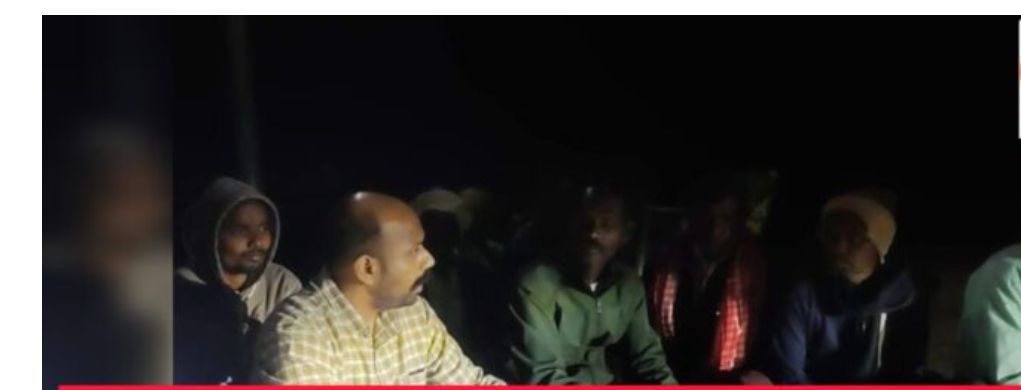
The 24 tribal labourers from Bheempura (Betul district) were reported to have been taken to Erode district of Tamil Nadu for reaping sugarcane on the lure of better working conditions and a handsome salary in return. However, when they reached the workplace, they were forced to perform continuous overwork without being provided what had earlier been assured to them in terms of wages and accommodation. Consequently, the mental and physical exploitation took a toll on their health, and it began to deteriorate.
Somehow, they managed to convey to their families back home the message about their woeful living conditions and the urgency of getting them freed from it. From there, the matter came to the knowledge of Vikrant Kumre, a Supreme Court advocate and activist of Janjati Suraksha Manch. He soon brought the matter to the notice of the National Commission for Scheduled Tribes (NCST), which ensured the safe release of the poor and helpless labourers and the protection of their rights. Vikrant Kumre also made direct contact with DGP Venkata Raman and ADGP (Law and Order) Maheshwar Dayal of the Tamil Nadu Police. In view of the seriousness of the matter, the police administration soon sprang into action and reached the spot to set the labourers free.
Notably, Supreme Court advocate Vikrant Kumre of “Janjati Suraksha Manch” (a nationalist organisation engaged in the social service of tribals in the true Sanatana spirit) has earlier also played a prominent role in setting free over 350 tribal labourers from different parts of the country from the menace of forced labour.
Whoever said it said truly that being educated, suave, and successful is not everything; the presence of social and national character must also be reflected in one’s life. This is precisely what becomes evident when we look at Vikrant’s initiatives. To be capable and full of vigour oneself alone is not enough. Society as a whole must move forward in the direction of imbibing such values to ensure a bright future for the country. Through translating social consciousness into action on the ground, he has spread this message around.
Remember what Vivekananda says about social service: “Why should we do good to others? Apparently to help others, but really we help ourselves — help ourselves to reach nearer the eternal bliss of higher life.” Once he also remarked after reading a sermon: “All this world is very beautiful, for it gives us time and opportunity to help others.”