
By: Omkar Dattatray
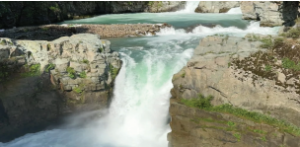
Nestled amid the verdant folds of the Pir Panjal ranges in the enchanting district of Kulgam, the majestic Aharbal Waterfall stands as one of Kashmir’s most captivating natural marvels. Revered as the “Niagara Falls of Kashmir,” Aharbal is not merely a waterfall but an embodiment of the Valley’s timeless grandeur, serenity, and untamed wilderness. Cascading dramatically from a height of nearly twenty-five meters through rugged rocks and dense coniferous forests, the waterfall exudes an ethereal charm that leaves every visitor mesmerized. The roaring waters of the Veshaw River, a tributary of the mighty Jhelum, carve their path through ancient stones with a force that is both awe-inspiring and humbling. The journey towards Aharbal itself is a poetic experience. As one travels through the picturesque landscapes of south Kashmir, the surroundings gradually transform into a symphony of emerald meadows, apple orchards, walnut groves, and towering pine trees. Tiny hamlets scattered across the hills appear like fragments of an old pastoral painting where life moves with quiet dignity and simplicity. The cool mountain breeze carries the fragrance of damp earth and wildflowers, while the distant snow-clad peaks shimmer beneath the changing hues of the sky. Every turn of the winding road unfolds another breathtaking panorama, making the voyage as memorable as the destination itself. Aharbal possesses an unusual duality in its character. On one hand, it radiates tranquility and soothing calmness; on the other, it showcases the fierce and indomitable power of nature. The thunderous sound of water crashing against jagged rocks reverberates through the valley like an eternal hymn composed by the mountains themselves. Mist rises from the foaming torrent and mingles with the cool air, creating a dreamlike atmosphere that envelops visitors in wonder. During the spring and summer months, the surrounding forests bloom with vibrant greenery, while autumn adorns the landscape with golden and crimson hues. In winter, the waterfall acquires an altogether different personality as snow blankets the region and icicles cling to the rocky cliffs, transforming the place into a celestial realm of silence and frozen beauty.
The cultural and emotional significance of Aharbal extends far beyond its visual splendor. For generations, the waterfall has occupied a cherished place in the collective memory of Kashmiris. It has inspired poets, painters, photographers, and travelers who have sought solace and inspiration in its enchanting embrace. The site resonates with the spirit of Kashmiri folklore and the Valley’s profound connection with nature. In a region often associated with political turbulence and uncertainty, Aharbal serves as a reminder of Kashmir’s enduring natural magnificence and cultural richness. It symbolizes resilience, continuity, and the eternal rhythm of life that persists despite adversity. Adventure enthusiasts find Aharbal particularly alluring because it serves as a gateway to some of the most scenic trekking routes in Kashmir. The dense forests surrounding the waterfall lead towards the pristine meadows and alpine lakes hidden deep within the Pir Panjal mountains. Trekkers embarking on expeditions towards Kounsarnag Lake often begin their journey from Aharbal, traversing landscapes of astonishing beauty where crystal-clear streams, rolling grasslands, and untouched wilderness create an unforgettable experience. The region is also a paradise for anglers due to the abundance of trout fish in the icy waters of the Veshaw River. The soothing environment combined with opportunities for trekking, fishing, and photography makes Aharbal a complete retreat for lovers of nature and adventure alike.
One of the most remarkable aspects of Aharbal is its ability to evoke introspection and emotional stillness. In an age dominated by urban chaos, technological distractions, and relentless haste, the waterfall offers a sanctuary where one can reconnect with the elemental forces of existence. Sitting near the cascading waters, listening to their perpetual rhythm, and gazing upon the vast wilderness instills a profound sense of humility. Nature here appears untouched by artificiality, preserving a purity that has become increasingly rare in the modern world. The mountains surrounding Aharbal seem like silent guardians watching over centuries of history, seasons, and human emotions. Tourism at Aharbal has gradually increased over the years, attracting visitors from across India and beyond. Yet, despite its growing popularity, the destination has managed to retain much of its pristine charm. Unlike heavily commercialized tourist spots, Aharbal still possesses an authenticity that appeals to travelers seeking genuine experiences rather than superficial attractions. Small tea stalls, modest guest houses, and local vendors contribute to the warm and welcoming atmosphere of the region. The hospitality of the local people adds another dimension to the beauty of the place. Their simplicity, kindness, and deep-rooted connection with their homeland leave a lasting impression upon visitors.
Environmental preservation remains crucial for maintaining the ecological sanctity of Aharbal. The increasing influx of tourists brings with it the responsibility of sustainable tourism and conservation. Protecting the forests, rivers, and wildlife surrounding the waterfall is essential to ensure that future generations can continue to witness its magnificence. The region is home to diverse flora and fauna, including rare bird species and dense vegetation that form an integral part of Kashmir’s ecological heritage. Responsible tourism practices, awareness campaigns, and environmental stewardship are necessary to safeguard this natural treasure from pollution and ecological degradation. Aharbal also holds immense potential for promoting eco-tourism and rural development in south Kashmir. By encouraging sustainable infrastructure, local handicrafts, and community-based tourism initiatives, the region can achieve economic growth while preserving its environmental and cultural integrity. The development of tourism in harmony with nature can provide livelihood opportunities for local communities and showcase the rich traditions, cuisine, and craftsmanship of Kashmir to the wider world. Such an approach would ensure that tourism becomes a source of empowerment rather than exploitation.
The beauty of Aharbal cannot be fully captured through photographs or words alone. It is a place that must be experienced through the senses and felt through the soul. The sight of the milky-white waters plunging into the rocky gorge, the fragrance of pine forests after rain, the gentle rustling of leaves in the mountain breeze, and the echoing roar of the waterfall together create an experience that transcends ordinary travel. It awakens an appreciation for nature’s artistry and reminds humanity of its inseparable bond with the natural world. As twilight descends upon the valley and the fading sunlight casts golden reflections upon the rushing waters, Aharbal appears almost mystical. The mountains gradually dissolve into shadows while the waterfall continues its eternal song, indifferent to the passage of time. In those serene moments, one realizes why Kashmir has been described for centuries as paradise on earth. Among its countless treasures, Aharbal shines with singular brilliance — a magnificent confluence of power, beauty, solitude, and spirituality. It is not merely a destination on a map but a living testament to the timeless splendor of nature and the enduring soul of Kashmir.