By Ravi Rohmetra
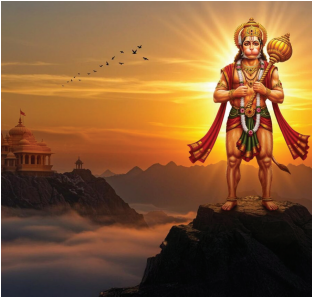
Hanuman Jayanti is celebrated every year by people across India to commemorate the birth of Lord Hanuman, the ardent devotee of Lord Rama. The festival falls annually in the Hindu month of Chaitra (Chaitra Purnima), on the 15th day of Shukla Paksha. In 2026, Hanuman Jayanti will be celebrated on 2nd April 2026.
Significance of Hanuman Jayanti
Hanuman Ji is known as the 11th Rudra avatar of Lord Shiva and is worshipped as a symbol of devotion, strength, knowledge, and courage. He dedicated his entire life in service of Lord Rama and Mata Sita. Devotees revere him for his unflinching faith, selfless service, and immense power.
Hanuman Jayanti holds great importance, especially among Brahmacharis, wrestlers, and bodybuilders, symbolizing energy, discipline, and vitality. Hanuman is worshipped under many names such as Bajrangbali, Pavanasuta, Mahavira, Maruti, Anjaneya, Sankat Mochan, and more.
How and When Hanuman Jayanti is Celebrated
On Hanuman Jayanti, devotees visit Hanuman temples at dawn after taking a holy bath. Temples remain crowded throughout the day. Rituals include:
- Applying vermilion (red tilak) to Hanuman idols and foreheads.
- Chanting Hanuman Chalisa and performing Aarti.
- Offering Laddoo Prasad and circumambulating the temple.
- Singing devotional songs and chanting Hanuman mantras.
As Lord Hanuman belonged to the Vanara community with a reddish-orange complexion, idols in temples are usually painted in the same color. After the puja, devotees apply red sindoor on their own foreheads and distribute Prasad for blessings.
Regional Celebrations
- Maharashtra: Observed on Chaitra Purnima.
- Tamil Nadu and Kerala: Celebrated during Margazhi month (December–January) on Amavasya.
- Odisha: Observed on the 1st day of Baisakha (April).
- Karnataka and Andhra Pradesh: Celebrated on the 10th day of Vaishakha (Krishna Paksha), lasting 41 days, beginning from Chaitra Purnima.
Mythological Background
According to Hindu legend, a celestial damsel named Punjiksthala once disturbed Saint Angira while he was meditating. Annoyed, the saint cursed her to be born as a female monkey on earth. Realizing her mistake, she apologized, and the saint blessed her, saying she would give birth to a great devotee of the Supreme God.
She was born as Anjana, daughter of King Kunjar, and later married Kesari, the monkey king of Mount Sumeru. Through divine blessings from Lord Shiva and Vayu Deva, Hanuman was born — the embodiment of Shiva’s Rudra energy.
The birth of Hanuman was celebrated with immense joy by humans and Vanaras alike, and since then, his birthday is observed as Hanuman Jayanti to honor his divine birth and virtues.
Hanuman Mantra
Manojavam Maruttulyavegam Jitendriyam Buddhimatam Varishtham Vatatmajam Vanarayuthmukhyam Shri Ramdutam Sharanam Prapadye.
Hanuman Aarti
Aarti kije Hanuman Lala ki, dust dalan Raghunath kala ki, Jake bal se giriwar kanpe, rog dosh jake nikat na jhanke. Anjani putra maha bal dayee, santan ke prabhu sada sahayi. De veer Raghunath pathaye, Lanka jari Sita sudhi laye. … (Aarti continues in traditional form)
(Note: The verses of Aarti and Hanuman Chalisa are part of traditional Hindu scripture and recited by devotees during worship.)
(Ravi Rohmetra is a Social Worker and a Freelancer; (M) 9419652999)