
Ramesh Sarraf Dhamora
International Women’s Day is celebrated to recognize the social, economic, cultural, and political achievements of women and to advocate for gender equality. It is a day to raise awareness, break barriers, and promote equal opportunities for all. This day reminds us that societies and nations are strengthened when women advance. It is a global movement for equality and rights, symbolizing the struggle for women’s dignity and their rights. It is a day that encourages women to dream and fulfill their aspirations.
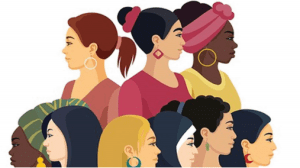
International Women’s Day has been celebrated worldwide on March 8 every year since 1911. It aims to celebrate the social, cultural, economic, and political achievements of women. The theme for International Women’s Day 2026 is “Giving Benefits,” which promotes the values of generosity, cooperation, and collective progress. This campaign highlights that supporting women and advancing gender equality can bring widespread social and economic benefits for all. The core idea of this campaign is that when women are empowered in fields such as education, leadership, entrepreneurship, science, arts, and politics, it builds stronger communities and shared prosperity. By encouraging collaboration and equal opportunities, this campaign aims to promote inclusive growth and positive change in society.
In India, women are given special consideration for their safety and dignity. In the twenty-first century, women are working shoulder to shoulder with men in every field. The Indian Parliament has now passed a bill providing 33 percent reservation for women in the Lok Sabha and Legislative Assemblies. This will further strengthen the role of women in Indian politics. Women are now being deployed in important positions in the military, a major step towards women’s empowerment.
Women here have equal rights with men. Women represent half the country’s population and are equal partners in development. In today’s era, women are not only at par with men but have gone two steps ahead of them. A society without women is unimaginable. According to the Indian Constitution, women have the right to live a life equal to that of men. In India, women are seen as goddesses. It is said that where women are worshipped, gods reside there. Since ancient times, women have been given special respect and honour in society.
Over the years, many laws related to women’s safety have been enacted in India. These include the Hindu Widow Remarriage Act, 1856; the Indian Penal Code, 1860; the Maternity Benefit Act, 1861; the Christian Marriage Act, 1872; the Married Women’s Property Act, 1874; the Child Marriage Act, 1929; the Special Marriage Act, 1954; the Hindu Marriage Act, 1955; the Foreign Marriage Act, 1969; the Indian Divorce Act, 1969; the Muslim Women Protection Act, 1986; the National Commission for Women Act, 1990; and the Sexual Harassment of Women at Workplace Act, 2013, etc. Furthermore, the Juvenile Justice Bill was amended by the Lok Sabha on May 7, 2015, and by the Rajya Sabha on December 22, 2015. Under this bill, if a juvenile between the ages of 16 and 18 is found involved in a heinous crime, there is a provision for harsh punishment.
According to the National Crime Records Bureau (NCRB), a total of 405,861 crimes against women were registered in India in 2023. These crimes include serious offenses such as rape, molestation, dowry harassment, domestic violence, sexual harassment, cybercrime, and kidnapping. Domestic violence and sexual harassment accounted for the highest number of cases, reflecting society’s indifference to women’s safety. Previously, 445,256 cases were registered in 2022, 428,278 in 2021, and 371,503 in 2020.
According to data released by the National Commission for Women, Uttar Pradesh led the country in crimes against women in 2023. According to the data released by the Commission, 28,811 complaints of crimes against women were received across the country during the year, with over 16,000 cases coming from the state of Uttar Pradesh. These figures are shocking because these complaints have been filed with the Commission under the Right to Dignity category. The national capital, Delhi, came in second with 2,411 cases. Maharashtra followed with 1,343, Bihar with 1,312, and Madhya Pradesh with 1,165.
Released after the 12 months of 2023, this report highlights crimes against women such as dowry harassment and rape. This report by the National Commission for Women also reveals the police’s indifference towards women. According to the data, 805 cases of sexual harassment, 605 cases of cybercrime, 472 cases of stalking, and 409 complaints of honour-related crimes were registered across the country. According to the data, crimes against women also include rape. In 2023, 1,537 cases of rape and attempted rape were registered. In addition, 8,540 cases were registered under the Right to Dignity category, 6,274 cases of domestic violence, 4,797 cases of dowry harassment, 2,349 cases of molestation, and 1,618 cases related to police indifference towards women.
In 2023, cases of crime against women decreased compared to 2022. In 2022, 30,864 cases of crimes against women were registered. This number decreased to 28,278 in 2023. This is a positive sign, but much remains to be done. The number of complaints has decreased since 2022, when 30,864 complaints were received, which was the highest number since 2014. When it comes to women’s safety, India has made numerous arrangements through unprecedented decisions in the last few years. Today, women in India are safer than before.
On one hand, we are promoting women by giving them equal status in every field. On the other hand, incidents of atrocities against them are constantly increasing. Every day, we hear of incidents of rape and abuse against women. Such incidents hamper the campaign for women’s empowerment. Changing the deteriorating environment for women in the country is not only the responsibility of the government but also of every citizen. We must all come forward and support women in the fight for their safety. Only then will the mother power of the country be able to walk with their heads held high. Now, women must understand that their plight in society today is the result of established traditions. Women themselves must take the initiative to change these traditions. Only then will society’s perception of them change.
(The author is a freelance journalist accredited by the Rajasthan government.)