Sunil Dutt
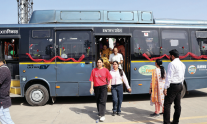
Jammu Tawi: In a move aimed at empowering women, as announced on March 7 in budget session, Omar Abdullah led J&K government had announced free ride for women on all government-owned public transport, including e-buses, starting April 1, 2025 which flagged off today. While this initiative has been applauded for its potential to support female mobility and independence, it comes at a cost for male commuters and students.
In a contrasting decision, the Jammu and Kashmir government has announced a 7% hike in the fare for electric buses just 3-4 days earlier before initiating free travel for women policy, which is set to impact male commuters, particularly students who rely on these services for daily transportation. The fare increase is seen as an added financial burden on a section of the population already grappling with limited resources.
While the government’s efforts to empower women are commendable and reflect a positive step towards gender equality, critics argue that the move could create an imbalance. “Empowering women through such initiatives is a laudable effort, but it should not come at the expense of other vulnerable groups such as students and working men,” said a local resident.
The fare hike, which directly targets male commuters, especially students, has sparked a backlash. Many are questioning the fairness of the government’s approach, suggesting that if empowerment is the goal, it should not be achieved by shifting financial burdens onto other members of society.
Akhil Bharatiya Vidyarthi Parishad (ABVP) Jammu Kashmir has voiced concerns over the Jammu and Kashmir government’s recent decisions, highlighting the inconsistencies between promoting gender equality and burdening students with a fare hike. The government’s announcement of free travel for women in electric buses has been praised by the ABVP for its focus on women’s empowerment. However, the group expressed disappointment over the 7% fare hike, which it argues could disproportionately affect students and the common people. As the debate over the free travel for women versus the increased bus fares continues, there is a growing call for a more balanced approach to public transport policies that consider the needs of all citizens without creating disparities. People urge the government to find sustainable ways to ensure equitable access to services for everyone, regardless of gender.