Northlines Correspondent
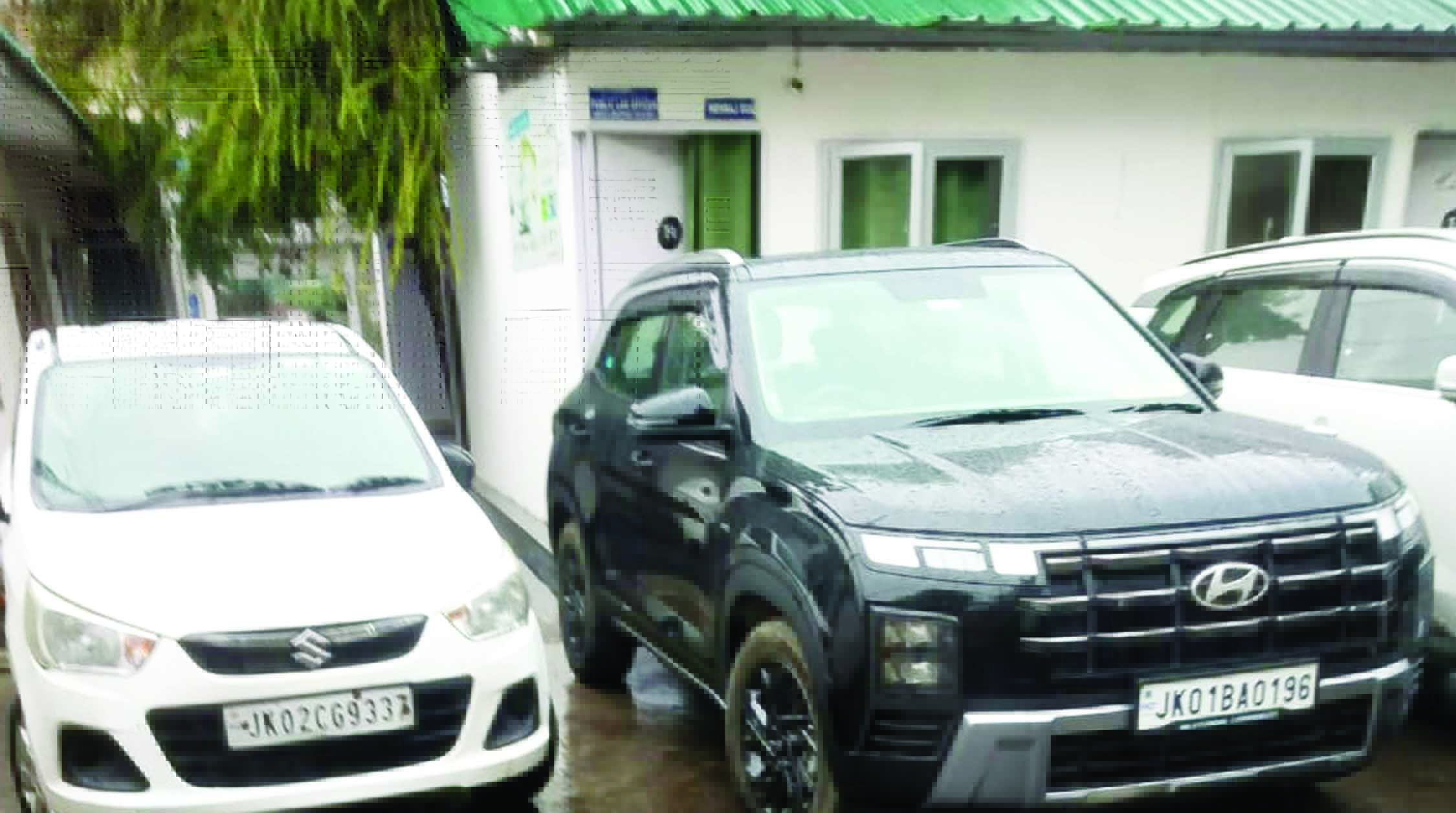
Jammu Tawi, Dec 27: In a latest move, the security personnel today barred the entry of non-gazetted employees with their vehicles to the civil secretariat citing new security instructions. On questioning by the civil secretariat employees about any such formal orders, security personnel cited the orders from the top and directed the employees to park their cars to some earmarked areas before entering the gate of the civil secretariat.
Angered employees termed the act as a glaring trust deficit of the government in its own employees despite high claims of complete normalcy in the Union Territory.
Some employee on anonymity angrily reacted, “The Civil Secretariat in Jammu, is the nerve center of governance, the act stands as a stark example of this disconnect, where non-gazetted employees are being denied permission to park their vehicles inside the premises. This denial not only raises questions about the safety and security of the Secretariat but also casts a shadow on the government’s commitment to equality and fairness”.
Employees expressed their dismay over this discriminatory practice. “There is no government rule that restricts non-gazetted staff from parking their vehicles inside the Secretariat. Yet, we are being singled out and denied this basic facility,” an employee remarked. He further pointed out that while non-gazetted staff coming from the Kashmir division are allowed to park their vehicles within the premises, those posted in the Civil Secretariat, Jammu, are being subjected to this arbitrary restriction.
The situation also highlights a lingering disparity between Jammu and Kashmir regions. With the Darbar Move no longer in practice, most employees at the Secretariat are from the Jammu region. Yet, they continue to face discrimination, fostering a sense of alienation.
On one hand, the government projects an image of stability and development, but on the other, its actions within the Secretariat tell a different story. The employees argue that denying them the right to park their vehicles is akin to suggesting they should not own a car at all. “This treatment effectively sends a message that we are second-class citizens in our own region,” they said.
The broader implications of such actions are troubling. The Civil Secretariat, meant to symbolize governance and transparency, is becoming a microcosm of distrust and inequality. If peace and normalcy truly prevail, why should there be such glaring signs of insecurity within the government’s own institutions?