Rizwan-ul-Akram
Unemployment, the biggest problem of India, has also become a problem of Rajouri, and also remains a critical socio-economic issue in Rajouri district, affecting the livelihoods of thousands of residents. While the district boasts rich agricultural resources, mineral deposits, and a strategic location, it still struggles with limited industrialization, skill gaps, and a lack of employment opportunities. This has led to a high rate of migration, particularly among the youth, in search of better job prospects outside the region. Addressing this issue requires a comprehensive approach that includes industrial growth, skill development, and investment in infrastructure.
According to the 2011 Census, Rajouri has a population of 642,415 with a population density of 235 people per square kilometer. The literacy rate stands at 68.54%, reflecting a moderate level of education among residents. Despite these figures, the district’s economy remains predominantly agrarian, with agriculture and allied activities serving as the primary sources of income. However, agriculture alone cannot sustain the growing population, necessitating diversification into industries and services.
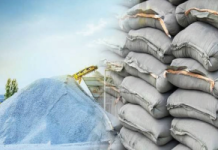
Rajouri has significant mineral resources, which, if properly harnessed, can generate employment. The Kalakote area in rajouri is known for its semi anthracite coal mines, with a fixed carbon content of 79-80%. However, most of this coal is exported outside the district, providing minimal local employment. Limestone and Bauxite Found in Kalakote, Methka, and Thannamandi, these minerals have potential for cement production and aluminum extraction. Iron Ore Deposits in Gagrot-Khandli Devi can be utilized for local steel industries.
Despite the availability of these resources, industrial development remains minimal, limiting job creation for the local population. Rajouri has few industries that can provide large scale employment. While minerals like coal, limestone, and bauxite are present, there are no major industries to process these resources locally. Most of Rajouri’s population relies on traditional farming and local businesses. However, due to small landholdings, outdated farming techniques, and erratic weather conditions, agricultural productivity remains low. This results in underemployment and seasonal work, making agriculture an unstable source of income. Many youths in Rajouri graduate with general degrees but lack technical and vocational skills that modern industries demand. The absence of job-oriented training centers further limits their employment options in emerging sectors like IT, tourism, and manufacturing. Due to the lack of job opportunities, a large section of the youth migrate to cities like Jammu, Srinagar, Delhi, and Chandigarh for work. This not only causes brain drain but also impacts family structures and local economic growth. Families struggle to meet basic needs due to a lack of stable income. High unemployment often leads to frustration, mental stress, and even criminal activities. Migration puts stress on urban centers, leading to housing and employment crises in bigger cities.
Rajouri has all these problems but they can be improved. And even eliminated. The government should invest in setting up industries based on local mineral resources. Establishing cement factories, coal processing plants, and steel units can generate employment and boost the local economy.
Government along with the public can put efforts to make farming more profitable, modern techniques like organic farming, better irrigation facilities, and high-yield seeds should be introduced. Encouraging dairy farming, poultry, and horticulture can also create more jobs. Setting up vocational training centers that offer technical courses in IT, healthcare, and mechanical work will enhance job prospects for the youth. Special government schemes should focus on skill enhancement for self employment and entrepreneurship.
Rajouri has great tourism potential, with attractions like Shadra Sharif, Dehra Ki Gali, and Peer Ki Gali. The government and private investors should focus on eco-tourism, hospitality, and adventure tourism to generate jobs in hotels, transport, and local businesses. Providing financial assistance, low-interest loans, and government subsidies can encourage self-employment. Supporting handicraft industries, food processing units, and local businesses to boost employment and development in the district. And with right policies and investments, Rajouri can move towards a more prosperous and self-sufficient future.
(Author is the student of Journalism and Media Studies, University of Jammu)