New Delhi, December 15, 2024: The government has postponed the introduction of two crucial bills related to the ‘One Nation, One Election’ proposal, which were initially scheduled for Monday, December 16, in the Lok Sabha. The bills—the Constitution (129th Amendment) Bill and the Union Territories Laws (Amendment) Bill—have now been deferred until after the completion of financial business. The revised agenda for the day does not list the bills, but they may be introduced later in the week following the passage of the supplementary demands for grants.
This delay comes just days after the Union Cabinet approved the bills, which seek to hold simultaneous elections for the Lok Sabha, state assemblies, and local bodies. The bills, which have already been circulated among Parliament members, are central to the government’s push for ‘One Nation, One Election’.
The proposal has drawn sharp criticism from opposition parties. Trinamool Congress (TMC) leader Derek O’Brien criticized the government for using the ‘One Nation, One Election’ plan as a distraction from pressing national issues like unemployment, inflation, and regional unrest. In a blog post, O’Brien called the proposal a “Weapon of Mass Distraction,” arguing that it shifts attention away from the government’s handling of critical issues.
West Bengal Chief Minister Mamata Banerjee, leader of the TMC, has vowed that her party’s MPs will oppose the bills “tooth and nail” in Parliament. Congress leader Ghulam Ahmad Mir dismissed the idea, calling it impractical for a country as large and diverse as India. He suggested that the BJP is using the proposal to divert attention from its failure to address unemployment and inflation.
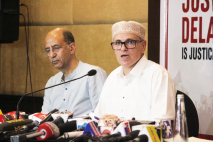
CPI(M) leader MY Tarigami raised concerns about the potential centralization of power, warning that the proposal could undermine India’s federal structure and democratic foundations.
In contrast, Andhra Pradesh Chief Minister N Chandrababu Naidu expressed support for simultaneous elections, arguing that they would allow more time for governance and development. He contended that the frequent elections currently disrupt long-term progress.
Former President Ramnath Kovind, who chairs the High-Level Committee on the proposal, defended the idea of simultaneous elections, stating that it was a concept envisioned by India’s founding fathers, not the BJP. He also pointed out that 32 political parties support the proposal, while 15 parties oppose it.
With the Winter Session of Parliament set to conclude on December 20, time is running out for a full debate on the proposal.