Sharief Govt is under dock for mistreating a top leader with such negligence
By Tirthankar Mitra
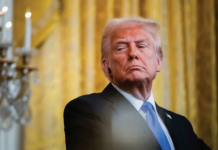
Things are not going well for Pakistan’s former prime minister and front ranking Opposition leader Imran Khan and democratic process of this country. Imprisonment of the former prime minister not dominating the political debate in a country which espouses democracy; this is an aberration.
The deeper issue is no longer the fate of the former prime minister. The focus is on the widening machinery which now governs who may speak, what may be said and at what cost. Khan being behind the bars is no doubt a powerful symbol. But it is actually reduced to a tightening of political space.
.
The powers that be in Pakistan are treating dissent not as disagreement but a defiance. Lawyers, journalists, online commentators and human rights activists have found this at their cost. The consequences is a quiet recalibration of public behaviour. It is not shaped by law but fear.
.
Institutional character distinguishes the current phase from previous cycles of repression. Controls embedded within legal frameworks have replaced temporary crackdowns and controls. Time was when informal pressure was exerted on Opposition activists. Now the pressure tactics has been shifted to courts, cyber laws and regulatory authorities. This shift lends permanence to repression. It narrows down democratic life while arming itself with procedural legitimacy.
An illustration is at hand post expanding digital offence. Vaguely defined charges related to national interest or online harm allow wide discretion in enforcement. This ambiguity becomes power in practice. Uncertainty becomes a tool of control. Silence has become the safest choice where boundary of do’s and don’ts shift without notice. Journalists are left guessing where the line lies.
Financial pressure has emerged as disciplining mechanism in this scenario. Media organisations that resist alignment face sudden revenue disruptions or unexplained regulatory scrutiny. Newsrooms respond not with protest but self-censorship. The ongoing regulatory methods avoid spectacle but achieve compliance more efficiently than bans. Military have long been a deciding factor in national politics in Pakistan. But the present moment marks its consolidation rather than intervention.
For India the significance of the Pakistani situation lies in caution. This is no time for complacence on the other side of the border. Pakistan these days is an instance how democracies erode incrementally. It is done by laws framed for protection and fear under the camouflage of normalcy masquerading as governance.
The question confronting Pakistan is not whether dissent can be silenced. A political order sustained by fear may appear calm but underneath it lies fragility. The rule of fear accumulates pressure. It eventually surfaces elsewhere, in disengagement, radicalisation or institutional decay. (IPA Service)