Dhaka, Feb 13: Bangladesh Nationalist Party (BNP) on Friday claimed victory in Bangladesh’s 13th general elections, saying it secured a majority of seats in the 300-member parliament and is set to form the next government, even as the Election Commission (EC) was yet to formally announce the results.
“The Bangladesh Nationalist Party-BNP is set to form the government after victory in the majority of seats,” the party’s media cell posted on X. Multiple media tallies suggested BNP crossed the 151-seat mark required for a simple majority, potentially ending the 18-month rule of the Muhammad Yunus-led interim administration that took charge following the fall of the Awami League regime in August 2024.
According to an EC spokesperson, results from several constituencies were still being processed and expected within hours. The Commission dismissed allegations of manipulation and said turnout debates were not unusual. Chief Election Commissioner AMM Nasur Uddin stated that variations in reporting times from thousands of polling centres were natural. EC Senior Secretary Akhtar Ahmed said 47.91 per cent voter turnout was recorded by 2 pm at 36,031 of the 42,651 polling centres. Final turnout figures were yet to be announced.
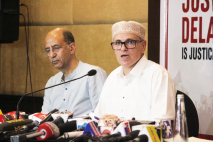
The election, marred by sporadic violence, was largely seen as a direct contest between the BNP and its former ally Jamaat-e-Islami, in the absence of debarred former premier Sheikh Hasina’s Awami League. Jamaat alleged “abnormal delays” and “result tampering,” warning of a nationwide movement if the mandate was “snatched away.” Its assistant secretary general Ahsanul Mahboob Zubair accused returning officers of intentionally delaying results to favour a “particular party.”
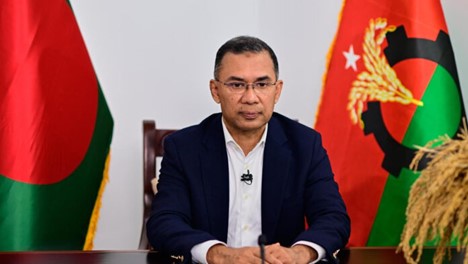
BNP earlier declared that if victorious, its acting chairman Tarique Rahman, son of former prime minister Khaleda Zia, would become the next prime minister. Rahman, who returned in December after over 17 years in self-exile, urged party workers to offer special prayers after Friday’s ‘Juma’ instead of holding victory rallies. If confirmed, he would become Bangladesh’s first male prime minister in 35 years.
Voting for 299 of the 300 constituencies was held alongside a referendum on the 84-point reform agenda known as the July National Charter. More than 2,000 candidates, including independents, contested the polls, while voting in one seat was postponed following a candidate’s death.
The Election Commission deployed nearly one million security personnel — the largest deployment in the country’s electoral history — to ensure peaceful conduct of the daylong exercise. (Agencies)