GST reforms may reduce J&K revenue by 10–12 pc
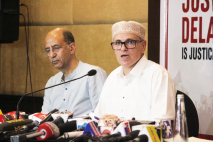
New Delhi, Sep 3: Highlighting the devastating impact of the Pahalgam terror attack, Jammu and Kashmir Chief Minister Omar Abdullah on Wednesday sought urgent Central support to deal with the Union Territory’s fiscal crisis.
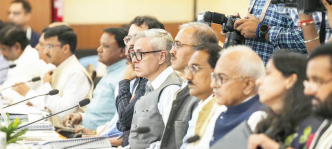
Speaking at the 56th GST Council meeting, Abdullah, who also holds the finance portfolio, said the April 22 attack that left 26 dead had crippled the UT’s economy. Major sectors including tourism, handicrafts, agriculture, horticulture, transport, construction and automobiles had come to a standstill, he said, adding that public revenues had “collapsed.”
He cautioned that proposed GST reforms could further reduce J&K’s revenues by 10–12 per cent. “As Finance Minister of Jammu and Kashmir, I am of the opinion that establishing suitable mechanisms and safeguards for fiscal stability of States and UTs is critical,” Abdullah said.
While endorsing the two-tier (5% and 18%) GST structure, Abdullah urged that safeguards be introduced to ensure the benefits of rate rationalisation reach consumers and are not “cornered in the chain.” He stressed that systemic checks were needed to prevent profiteering and that the reforms must account for the unique challenges faced by States and UTs.
The Chief Minister said J&K had begun showing signs of economic revival before being “shocked” by the April incident. The attack, he added, has not only caused revenue losses but also triggered the flight of non-local workers, slowing down infrastructure projects. “Substantial loss of jobs and businesses has been reported, and the development process is badly hit,” he noted.
He welcomed the GST Council’s proposals to reduce classification disputes, inverted duty structures and compliance complexities, saying they would bring clarity, reduce litigation and enhance compliance. However, he reiterated that compensation mechanisms were essential to maintain fiscal stability in terror-affected regions like J&K.
Abdullah also touched upon broader national economic issues, cautioning that India’s growth path is being challenged by “geopolitical tensions” and “whimsical trade policies of the colonial era” that could restrict India’s access to nearly 20% of the global market. Such policies, he warned, would impact lakhs of workers in agriculture, handicrafts, marine products, gems and jewellery sectors.
Reiterating that GST remains the most ambitious federal tax reform since its introduction in July 2017, Abdullah said it has improved efficiency, compliance, and revenue mobilisation. But he insisted that the Centre’s support was now crucial for J&K to overcome its current crisis.